
On Kali, searching for “Tor Browser” can bring up package instructions while the download page offers a different-looking starting point. I’m eager to understand the browser’s role before that choice turns into a stalled setup.
The goal is to move past the choice and reach Tor Browser’s first connection screen. Tor Browser sends its own browser connections through the Tor network after you connect.
What Tor Browser does on Linux
Tor Browser is a desktop browser. After it connects, its own browser traffic goes through the Tor network, but other Linux applications keep using their own network connections.
| Where you connect | Uses Tor Browser’s connection |
|---|---|
| Web pages opened inside Tor Browser | Yes, after the browser connects to Tor |
| Another browser, a terminal command, or a separate Linux app | No, unless you configure that software separately |
Tor Browser cannot promise perfect anonymity, and its safety guidance warns that external applications can make connections outside Tor, including when you open downloaded documents in another program.
Check your Linux architecture first
The Tor Browser 15.0.24 distribution directory lists x86_64 and i686 Linux archives. It has no aarch64 archive.
Run uname -m to print the architecture name you must match on the download page.
uname -m

- Choose x86_64 for a 64-bit Intel or AMD system.
- Choose i686 only for a 32-bit x86 system. Tor says support for 32-bit Linux will end with the next major release, 16.0.
- If the command prints aarch64, do not run the x86_64 archive. The current Tor download directory has no matching ARM64 file.
Install Tor Browser from the official Linux archive
Tor Browser 15.0.24 was released on September 29, 2026. The official Tor Browser download page directs you to the desktop download before you choose Linux and the archive that matches your architecture.
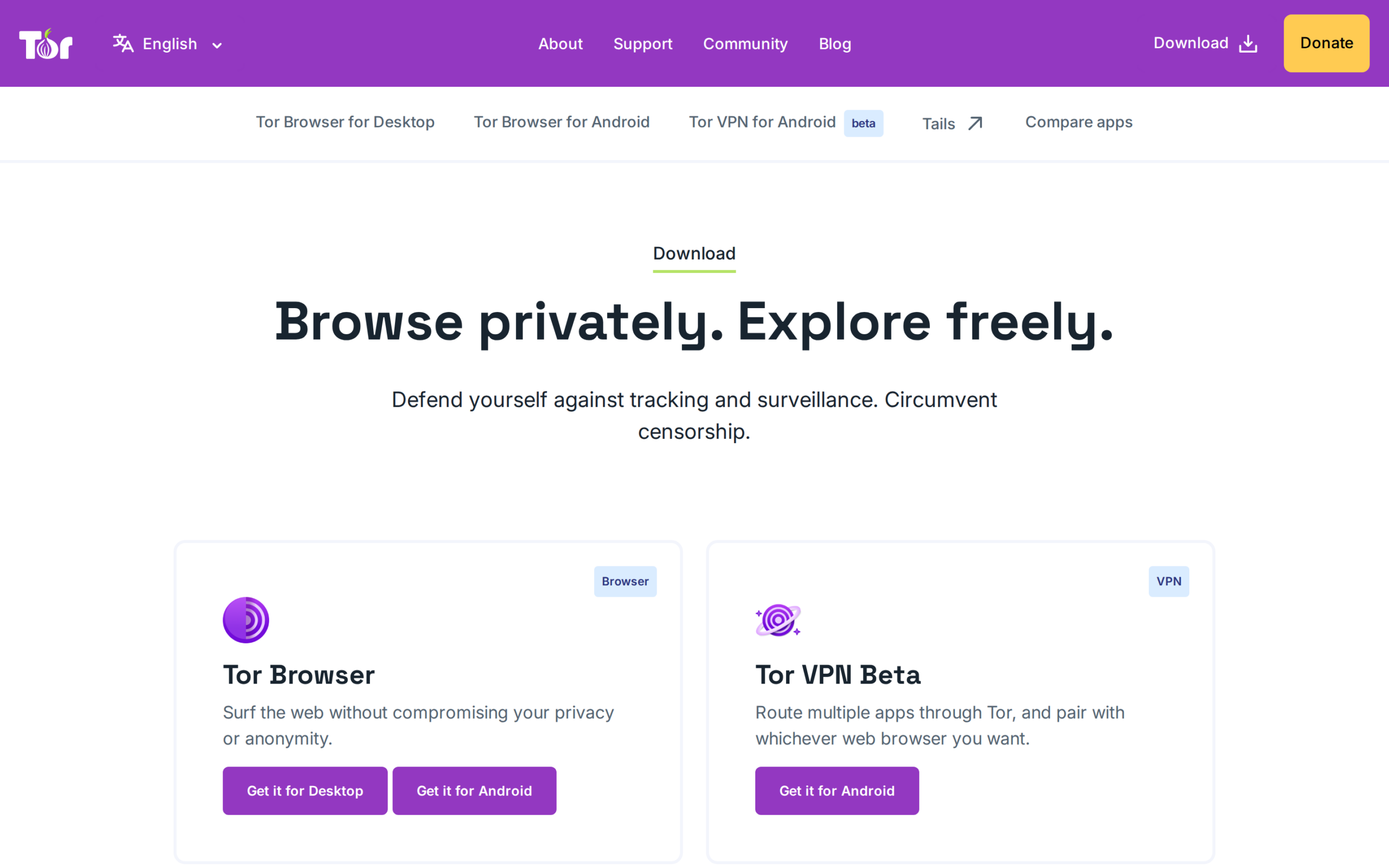
The matching x86_64 archive and its detached signature use the same versioned filename. If the download page shows a later release, use the filenames from that page instead.
Step 1. Download the archive and signature
If you prefer the terminal, these commands fetch the current x86_64 archive and its matching signature. See the cURL download guide for the file-download options.
curl -fLsS --output tor-browser-linux-x86_64-15.0.24.tar.xz --write-out 'HTTP %{http_code}, %{size_download} bytes\n' https://dist.torproject.org/torbrowser/15.0.24/tor-browser-linux-x86_64-15.0.24.tar.xz
curl -fLsS --output tor-browser-linux-x86_64-15.0.24.tar.xz.asc --write-out 'HTTP %{http_code}, %{size_download} bytes\n' https://dist.torproject.org/torbrowser/15.0.24/tor-browser-linux-x86_64-15.0.24.tar.xz.asc
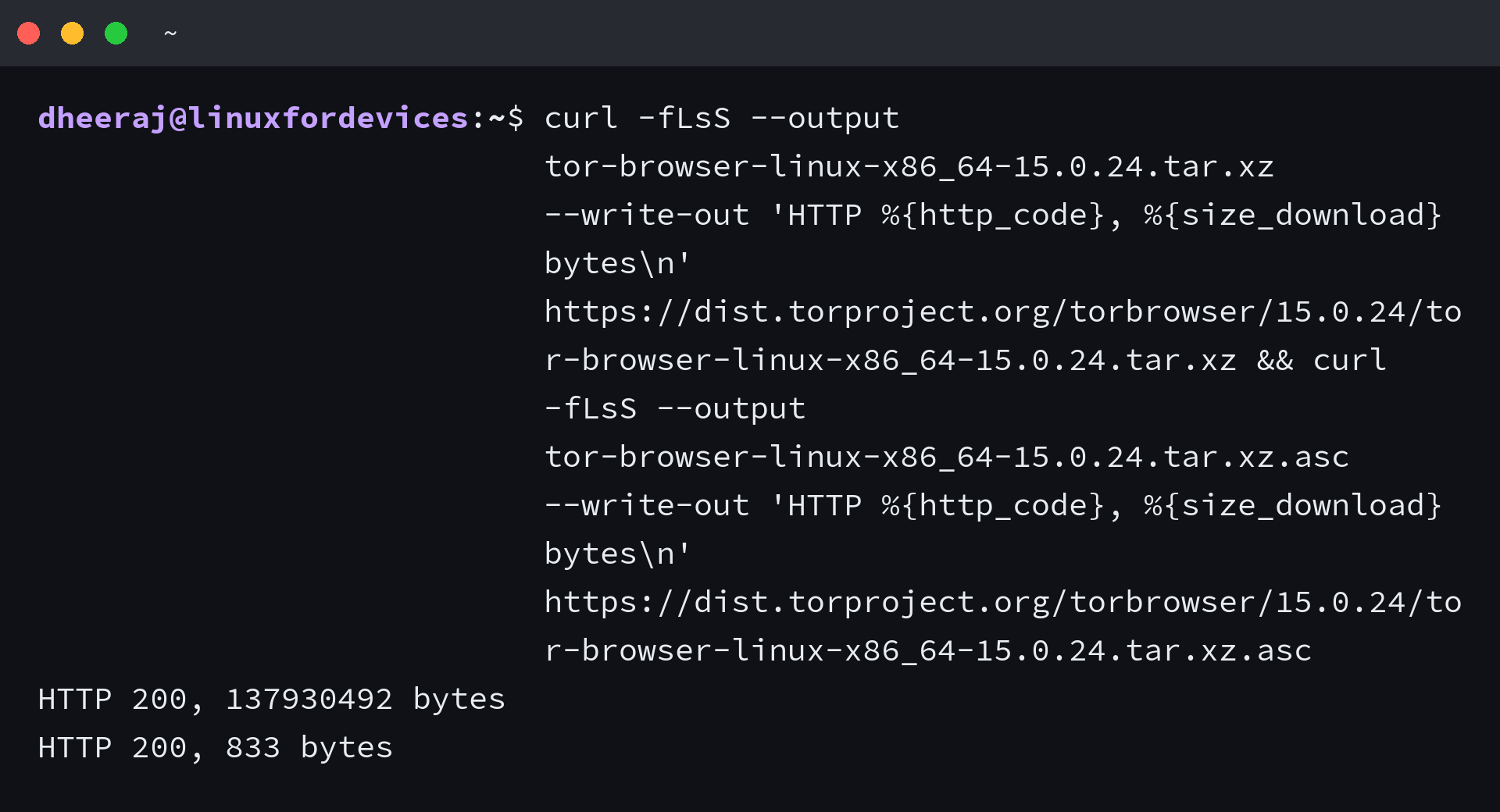
The first file is the browser archive, and the second is its OpenPGP signature, which GnuPG checks before extraction. HTTP 200 confirms the download request succeeded, not that the archive is authentic.
Step 2. Verify the signature
A detached signature checks that the archive matches a file signed by the Tor Browser Developers key. Install GnuPG through your distribution if it is missing, then use the Tor Browser signature instructions to locate the key and verify the files.
gpg --auto-key-locate nodefault,wkd --locate-keys [email protected]
gpg --verify tor-browser-linux-x86_64-15.0.24.tar.xz.asc tor-browser-linux-x86_64-15.0.24.tar.xz
GnuPG reports a good signature when the archive matches the signing key, but that line alone does not establish who owns the key. I compared the primary-key fingerprint with Tor’s published value, and they matched.
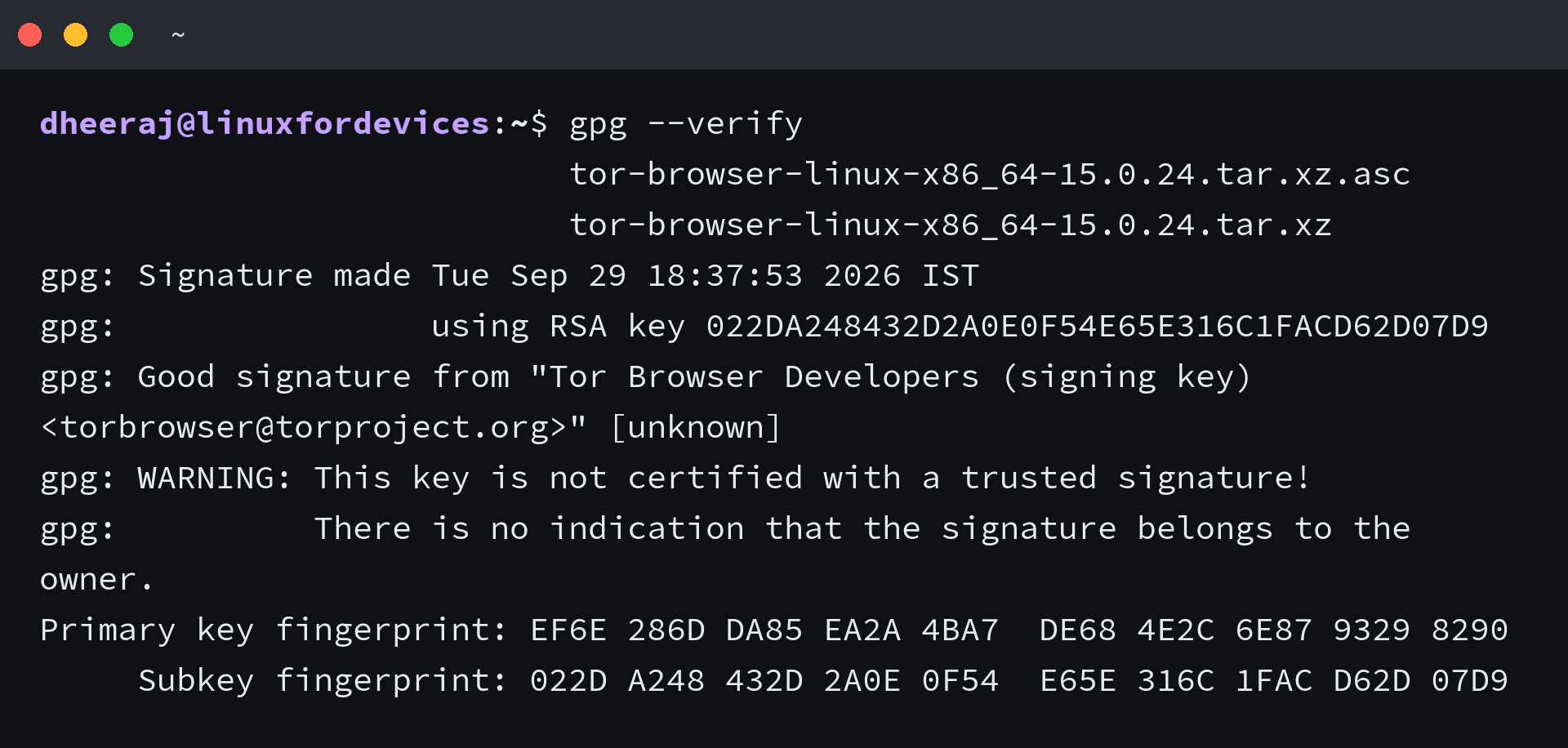
An untrusted-key warning concerns the key’s identity, not whether the archive signature matches.
Step 3. Extract and launch Tor Browser
From the directory where you saved the archive, extract it with tar. Our tar command guide explains what the command does.
tar -xf tor-browser-linux-x86_64-15.0.24.tar.xz
I tested the archive extraction and confirmed that the launcher file sits inside a tor-browser directory.
cd tor-browser
./start-tor-browser.desktop
If your file manager opens the launcher as text, check its executable permission. Tor’s Linux instructions show how to repair it.
chmod +x start-tor-browser.desktop
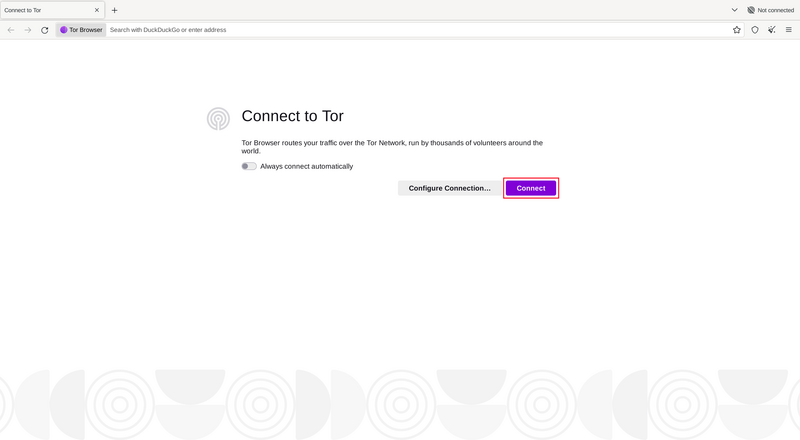
Tor’s Linux instructions say to run the launcher from inside the extracted folder. They also document an optional command to add Tor Browser to your application menu, but moving the folder into /opt is not required.
Use a bridge only when direct access fails
Try a direct connection first. A bridge is an alternate entry point for networks that block Tor.
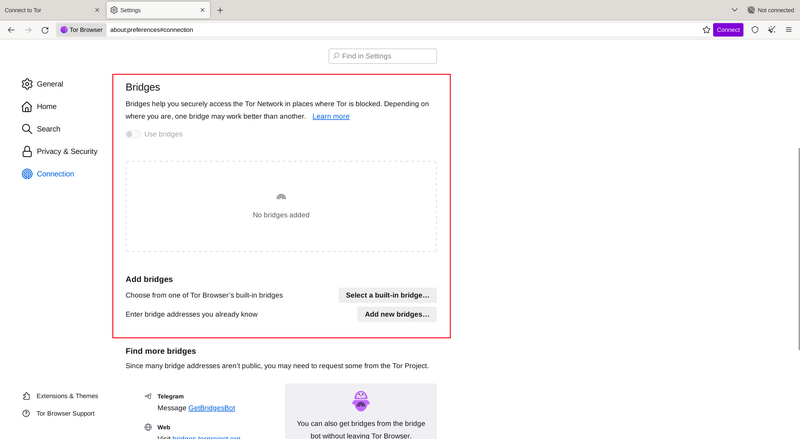
If direct access fails because Tor is blocked, open Settings, choose Connection, then enable a built-in bridge or add an address.
| Connection state | Next move |
|---|---|
| Tor connects directly | Leave bridges off and connect normally |
| Tor is blocked on this network | Enable a built-in bridge or add an address. If it fails, use Tor’s official bridge options to request another. |
| Your network already requires a proxy | Enter the proxy details supplied by your network administrator |
Tor’s first-launch instructions say a proxy is unnecessary for a standard connection, so enable that setting only when your network requires one.
When a distribution package makes more sense
The upstream archive is the direct path to the Tor Project’s current Linux release. A distribution package can fit better when you want package-manager updates or your distribution maintains a documented Tor Browser Launcher route.
| Route | Choose it when | What to check |
|---|---|---|
| Tor Project Linux archive | You want the direct upstream release | Match the CPU architecture, verify the signature and keep the browser updated |
| Kali’s APT package route | You follow Kali’s documented package workflow | The Kali instructions install its Tor Browser Launcher and Tor package. The packaged release can differ from the direct archive. |
| Tor Browser Launcher through Flatpak | You prefer the Launcher project and Flatpak | The Launcher README says distro packages may lag and documents its Flatpak route |
If you use Arch-based Linux, our Pacman guide explains distro packages but does not make a community build official Tor software. Kali also documents a separate Tor package, which our Linux service guide can help you manage.
Keep Tor Browser updated and remove it from Linux
Tor Browser prompts you when a desktop update is ready. Use the browser menu’s update option and restart it so the new version loads.
- For an archive install, keep using its built-in updater when it offers an update.
- If you installed through APT or Flatpak, use that package manager for its Launcher package.
- To remove the direct archive, unregister its menu entry if you added one, then delete the tor-browser folder. Tor’s uninstall instructions say an OS package remover does not manage this installation.
If you need to remove a distro package instead, follow the package manager’s removal process. Our APT removal guide explains the difference between removing a package and purging its configuration.
Tor Browser protects only its own browser traffic
Tor Browser does not route another Linux app through Tor, and Tor does not promise perfect anonymity. Keep browsing inside Tor Browser, and take care when opening downloaded documents in a separate program because that program may connect outside Tor.
To open the browser again, run its launcher from the extracted folder.
./start-tor-browser.desktop
Tor Browser on Linux FAQs
Can I install Tor Browser on ARM Linux?
The current Tor Project desktop distribution directory lists x86_64 and i686 Linux archives, not aarch64. Do not use the x86_64 file on an ARM64 computer.
How do I install Tor Browser on Kali Linux?
Kali documents an APT route through its torbrowser-launcher package. Follow Kali’s current instructions if you want its distribution package, or use the Tor Project archive for the direct upstream release.
What if the Tor Browser launcher opens as text?
The launch file may not be marked executable. From the extracted tor-browser folder, run chmod +x start-tor-browser.desktop as shown in the installation steps, then launch it again.
Does Tor Browser route every Linux app through Tor?
No. Tor Browser routes its own browser connections through Tor. A separate browser, terminal command, or desktop application needs its own Tor configuration.