
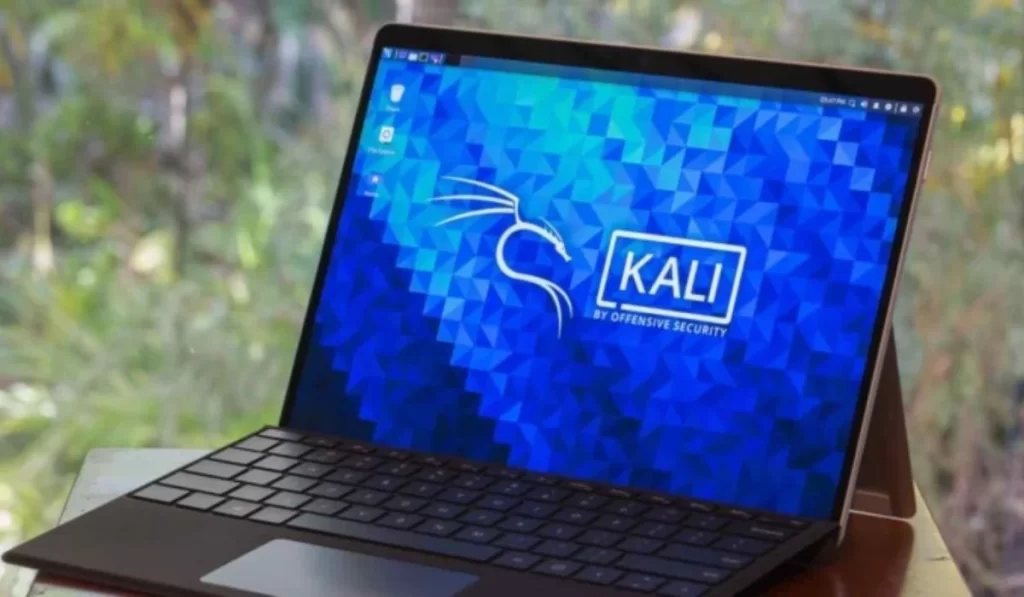
The best laptop for Kali Linux is usually a Linux-friendly x86_64 laptop with enough memory for the way you plan to run Kali. For most buyers, that means 32 GB of RAM and a 1 TB SSD. The names Wi-Fi 6E and Wi-Fi 7 describe the laptop’s networking generation, not whether its internal card is suitable for authorized wireless assessment.
The refresh replaces a generic laptop-family roundup with ten current Amazon US listings checked on 17 August 2026. Every pick below has a specific configuration, a product image, and a clear reason to buy it. Amazon seller configurations, stock, and prices change, so open the linked listing and verify the processor, RAM, SSD, return policy, and seller before checkout.
Quick picks
| Need | Pick | Why |
|---|---|---|
| Best all-round portable Kali host | Lenovo ThinkPad T14 Gen 5 | 32 GB memory in a compact business format. |
| Best heavier local lab | ASUS TUF F16 | 32 GB RAM, 1 TB SSD, and an RTX 5060 laptop GPU. |
| Best large-screen VM machine | Lenovo ThinkPad T16 Gen 3 | 32 GB RAM, 1 TB SSD, and 16-inch workspace. |
| Best lightweight 16-inch choice | LG gram Pro 16 | 32 GB RAM, 1 TB SSD, and OLED display in a thin design. |
What matters before you buy a laptop for Kali Linux
Kali’s own installation documentation supports amd64 systems. The baseline requirements are modest, but a practical laptop for a virtualized lab needs more headroom than the minimum.
- Memory: Choose 16 GB only for a focused single-VM setup. Choose 32 GB for a Kali VM beside your host OS, browser tools, containers, and a second test machine.
- Storage: Start at 1 TB if you keep VM images, snapshots, ISO files, captures, or container images locally. A 512 GB SSD is workable but fills faster than most buyers expect.
- CPU: Modern Core Ultra, Ryzen 7, Ryzen 9, and comparable H-series processors are appropriate. CPU branding matters less than RAM and storage once the processor is current.
- Ports: USB-A and USB-C matter for storage, docks, and external wireless adapters. If Kali runs in a VM, the adapter must be passed through to the guest.
- Wireless work: Do not purchase a laptop because a seller advertises a newer Wi-Fi generation. For authorized wireless testing, choose a separate USB adapter with documented driver support for your kernel and assessment needs.
Use Kali only in a lab or on networks where you have clear authorization. For setup, see our guides on installing Kali Linux in VirtualBox, handling Secure Boot on Linux, and planning Linux disk partitions.
10 best laptops for Kali Linux in 2026
The order below reflects the configuration stated in each current Amazon listing, the amount of practical VM headroom it offers, and the buyer profile it serves. It does not treat internal Wi-Fi generation as proof of wireless-assessment suitability.
1. Lenovo ThinkPad T14 Gen 5
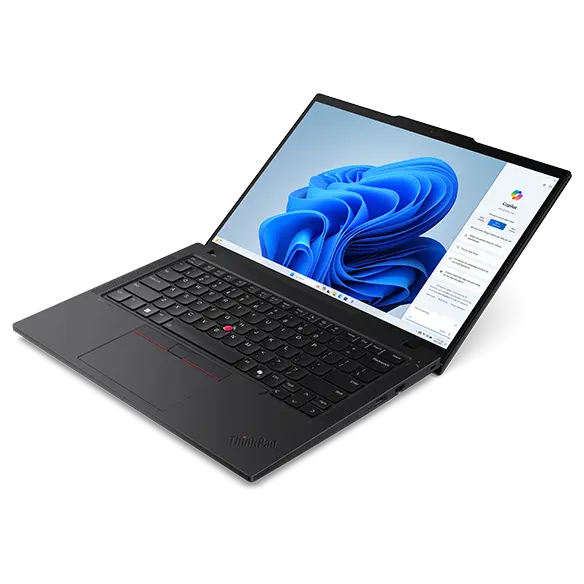
The T14 Gen 5 is the straightforward pick for a Kali VM, a dock, and a workday that moves between desk and bag. The Amazon configuration observed for this guide has 32 GB of memory, which is the important part if you keep a browser, proxy, packet capture, notes, and a virtual machine open together.
Product specifications
| Configuration observed on Amazon | Core Ultra 7 165U, 32 GB memory, 512 GB SSD, 14-inch WUXGA touchscreen |
|---|---|
| Best for | Best overall 14-inch choice |
| Current listing | Check this configuration on Amazon US |
Verdict
Most readers who want one compact business laptop for Kali in a virtual machine or on a separate Linux install. Its 512 GB SSD is workable, but choose a 1 TB variant if you expect to keep large VM images locally.
2. ASUS TUF F16
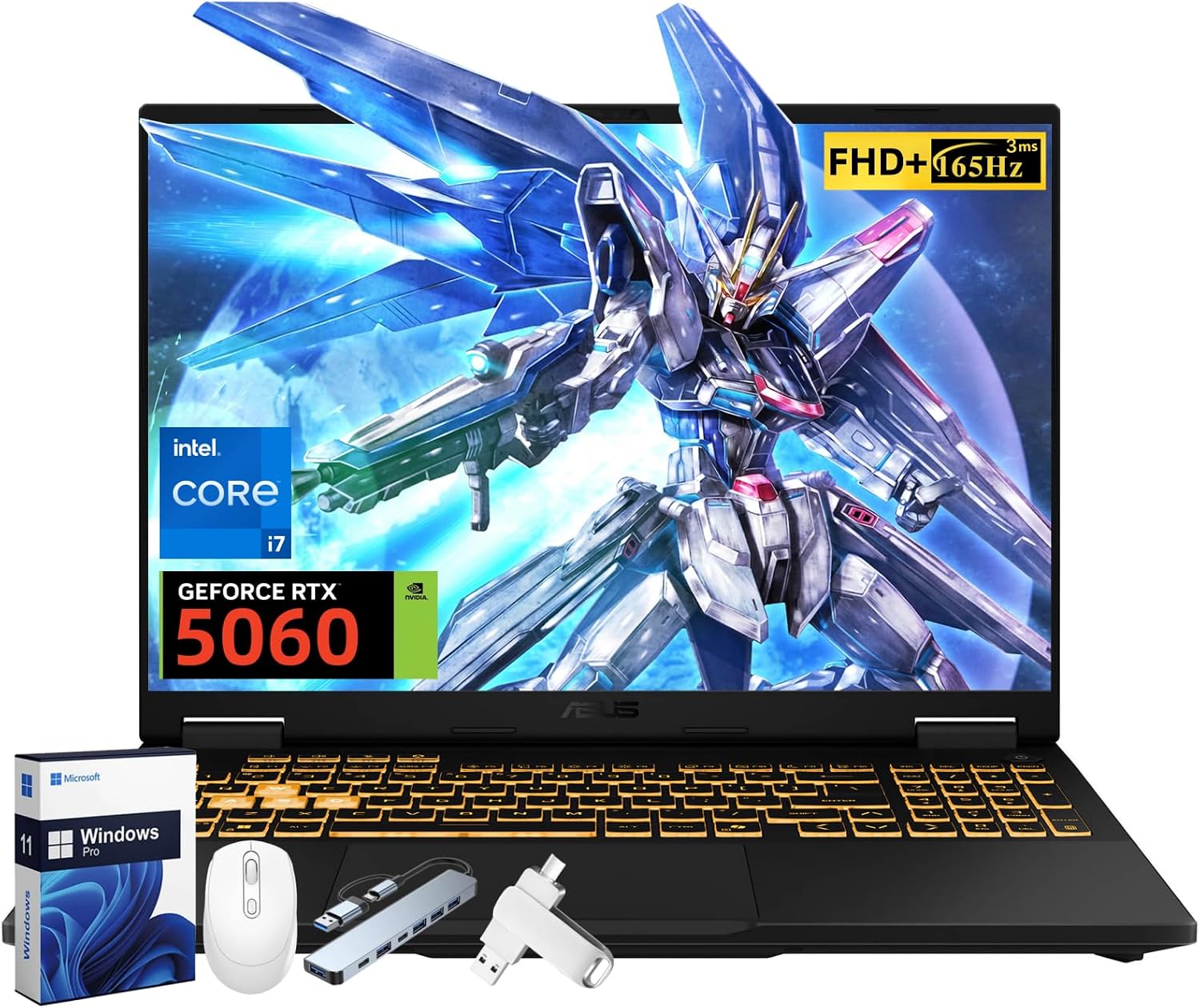
This is the performance-first option in the list. The current Amazon configuration pairs a 14th Gen Core i7 with 32 GB of DDR5, a 1 TB SSD, and an RTX 5060 laptop GPU, so it gives you more room for local virtual machines and GPU-aware coursework than an ultralight does.
Product specifications
| Configuration observed on Amazon | Intel 14th Gen Core i7, 32 GB DDR5 memory, 1 TB SSD, GeForce RTX 5060 8 GB, 16-inch FHD+ 165 Hz display, Wi-Fi 6E |
|---|---|
| Best for | Best for GPU-assisted lab work |
| Current listing | Check this configuration on Amazon US |
Verdict
Readers building a heavier home lab, handling several VMs, or running GPU-assisted workloads. It is not the lightest bag machine, and the product image includes seller bundle accessories, so compare the exact listing package before buying.
3. HP EliteBook 1040 G11
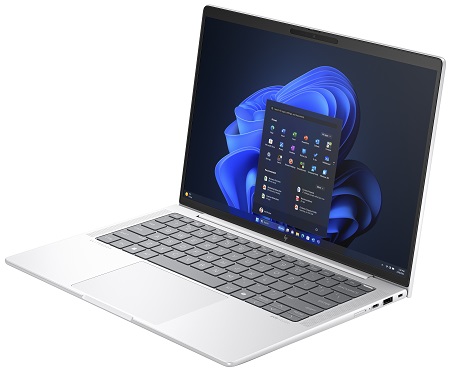
The EliteBook 1040 G11 puts 32 GB of memory and a 1 TB SSD in a 14-inch business chassis. That is the combination to prioritize if you want a light system that can run Kali in a VM without turning every project into storage cleanup.
Product specifications
| Configuration observed on Amazon | Core Ultra 7 165H vPro, 32 GB memory, 1 TB SSD, 14-inch WUXGA touchscreen |
|---|---|
| Best for | Best premium travel laptop |
| Current listing | Check this configuration on Amazon US |
Verdict
Consultants, students, and remote workers who carry the machine every day and want a clean 32 GB and 1 TB configuration. It is a premium purchase, not the value option.
4. ASUS Zenbook 14 OLED UM3406
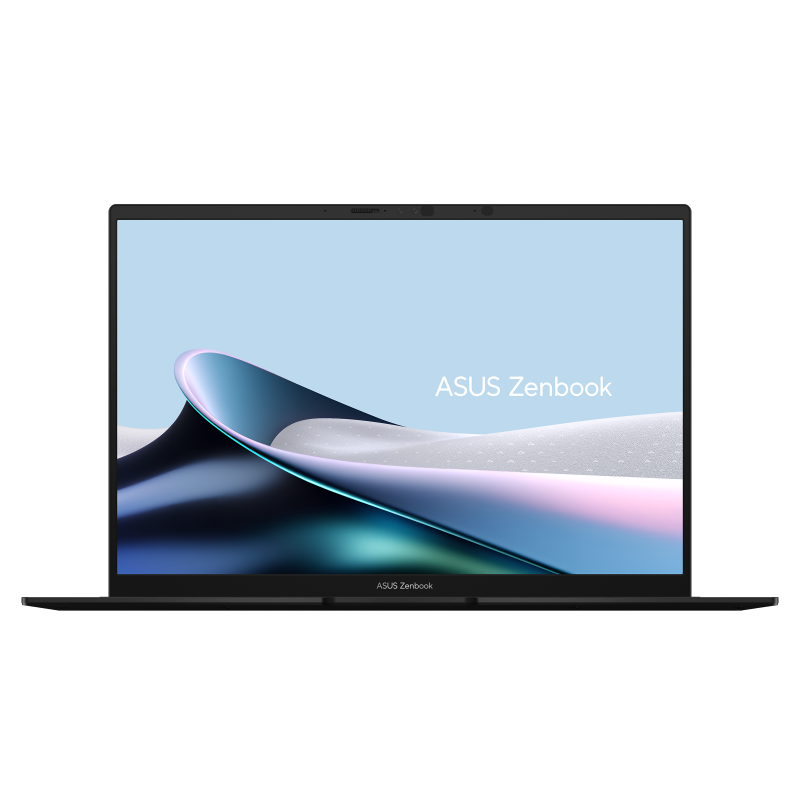
The observed Ryzen 7 configuration has 16 GB of memory and a 1 TB SSD. That is enough for a focused Kali virtual machine, a browser, notes, and a modest local lab, but it gives less margin than the 32 GB models above.
Product specifications
| Configuration observed on Amazon | Ryzen 7 8840HS, 16 GB memory, 1 TB SSD, 14-inch OLED, Wi-Fi 6E |
|---|---|
| Best for | Best compact single-VM setup |
| Current listing | Check this configuration on Amazon US |
Verdict
People who value a small laptop and will usually run one Kali VM at a time. Pick a 32 GB model instead if multiple VMs, containers, or heavier packet analysis are part of the plan.
5. Acer Swift Go 14
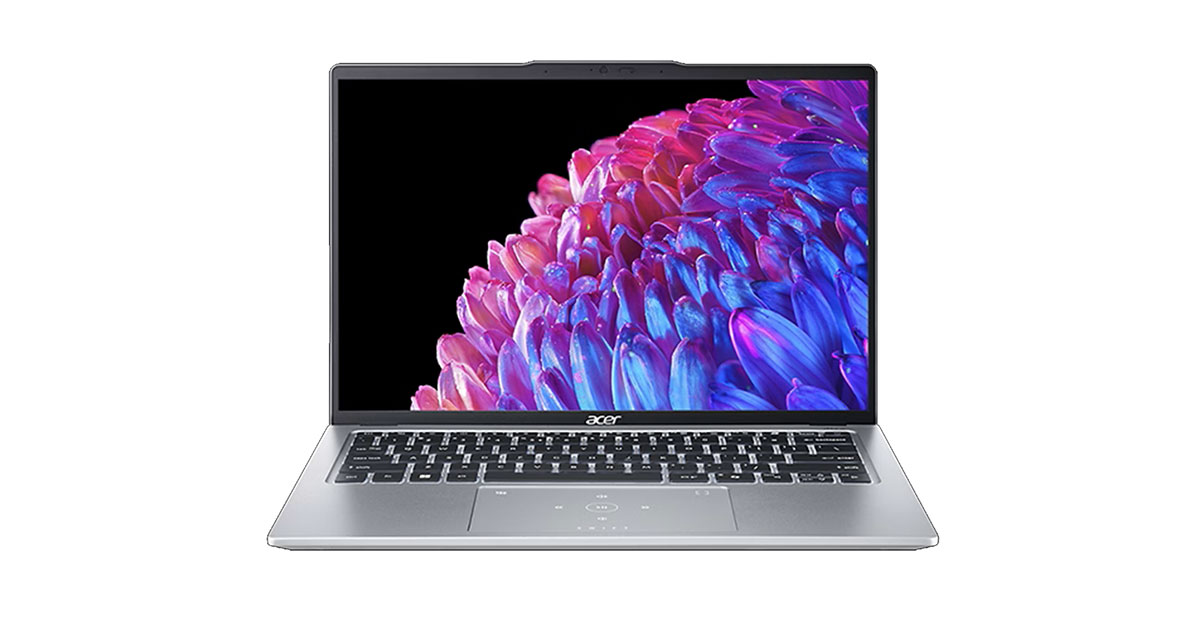
The Swift Go 14 brings a Core Ultra 7 H-series chip, a WUXGA display, Thunderbolt 4, and Wi-Fi 6E to a compact form factor. This makes it a sensible host for a Kali VM, but Amazon listings for this family vary, so confirm the installed RAM and SSD rather than trusting the family name alone.
Product specifications
| Configuration observed on Amazon | Core Ultra 7 155H, 14-inch WUXGA, Thunderbolt 4, Wi-Fi 6E |
|---|---|
| Best for | Best value-oriented 14-inch option |
| Current listing | Check this configuration on Amazon US |
Verdict
A buyer who wants a lighter host system for an occasional Kali VM and will compare the exact seller configuration carefully. Make 16 GB the floor and 1 TB the practical storage target.
6. Lenovo ThinkPad E16 Gen 3
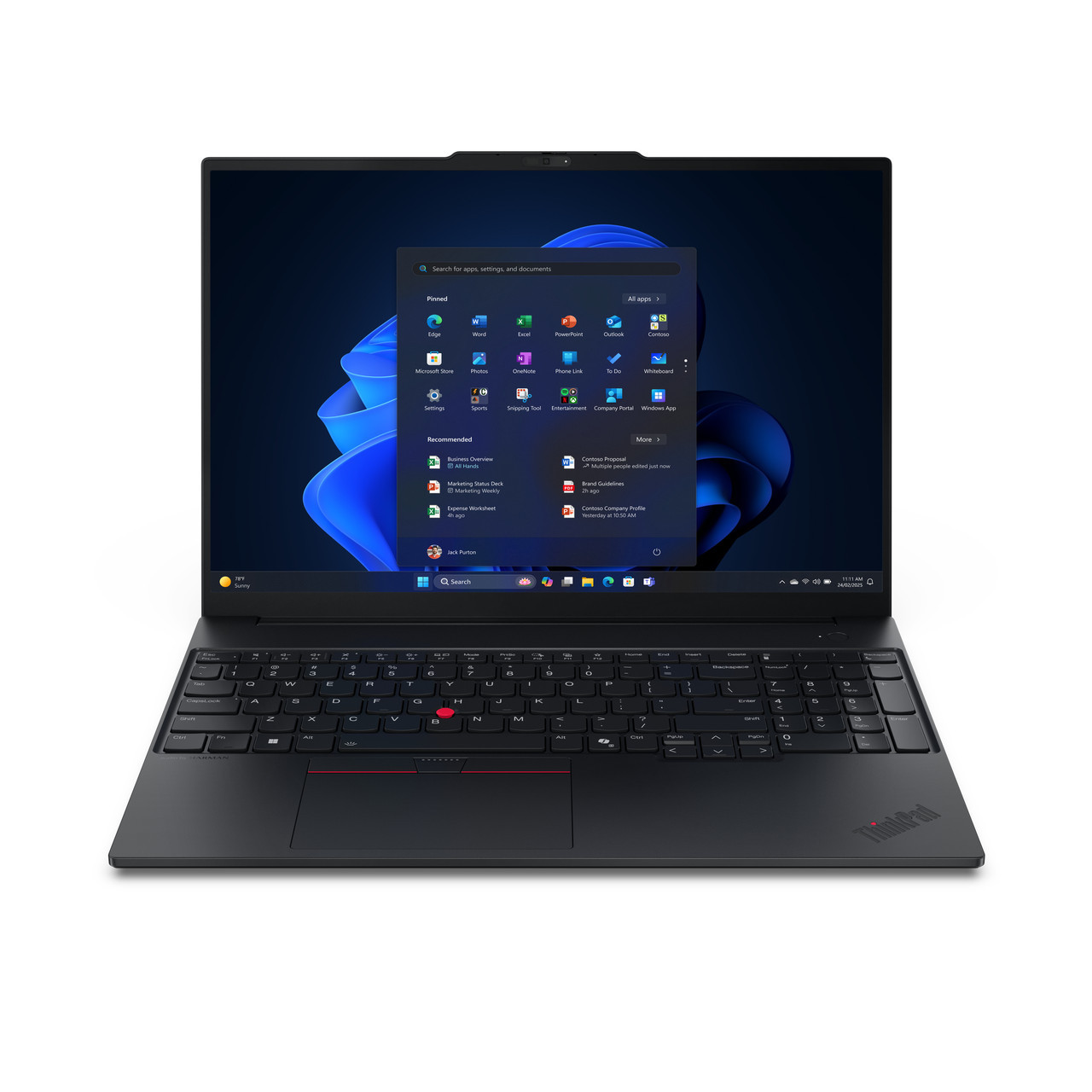
This E16 configuration is attractive because it starts with 32 GB of memory, a 1 TB SSD, a 16-inch display, Wi-Fi 6E, and RJ-45 Ethernet. The larger panel is useful when you keep a terminal, browser, documentation, and a VM console visible at once.
Product specifications
| Configuration observed on Amazon | Core Ultra 5 225U, 32 GB memory, 1 TB SSD, 16-inch FHD+, Wi-Fi 6E, RJ-45 |
|---|---|
| Best for | Best practical 16-inch value choice |
| Current listing | Check this configuration on Amazon US |
Verdict
Students and home-lab users who want 32 GB and a large display without moving into a premium mobile workstation. It makes more sense as a desk-friendly system than a featherweight travel machine.
7. Lenovo ThinkPad T16 Gen 3
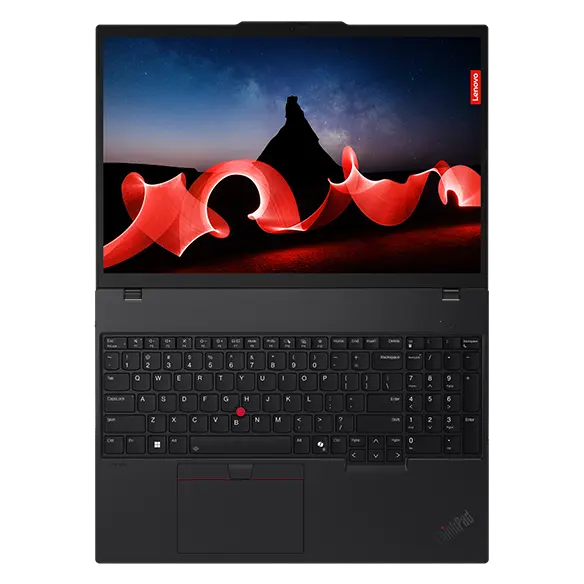
The T16 Gen 3 gives the large-screen business-laptop format 32 GB of memory and a 1 TB SSD. It is the more complete choice than a 16 GB consumer laptop when you expect to retain snapshots, test images, and more than one Linux environment.
Product specifications
| Configuration observed on Amazon | Core Ultra 7 165U vPro, 32 GB memory, 1 TB SSD, 16-inch WUXGA touchscreen |
|---|---|
| Best for | Best 16-inch business-class Kali host |
| Current listing | Check this configuration on Amazon US |
Verdict
People who want a large, durable work machine for a Kali VM, a direct Linux install, or a mixed Windows and Linux workflow. Choose it over the smaller T14 when screen area and storage matter more than compact size.
8. HP EliteBook 860 G11
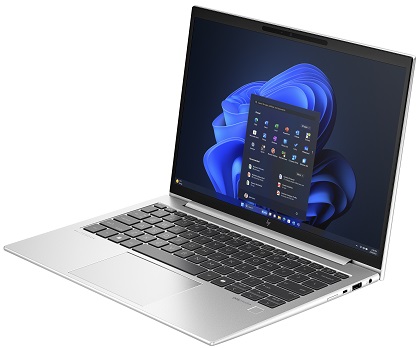
This 16-inch EliteBook configuration includes a Core Ultra 7 H-series processor, 32 GB of memory, and a 1 TB SSD. It leaves the reader room to run a virtualized lab without treating memory pressure as a daily problem.
Product specifications
| Configuration observed on Amazon | Core Ultra 7 155H, 32 GB memory, 1 TB SSD, 16-inch WUXGA touchscreen |
|---|---|
| Best for | Best large-screen premium option |
| Current listing | Check this configuration on Amazon US |
Verdict
A professional buyer who wants a 16-inch display and business-class specification without choosing a gaming chassis. It is a better fit for long desk sessions than frequent one-bag travel.
9. LG gram Pro 16
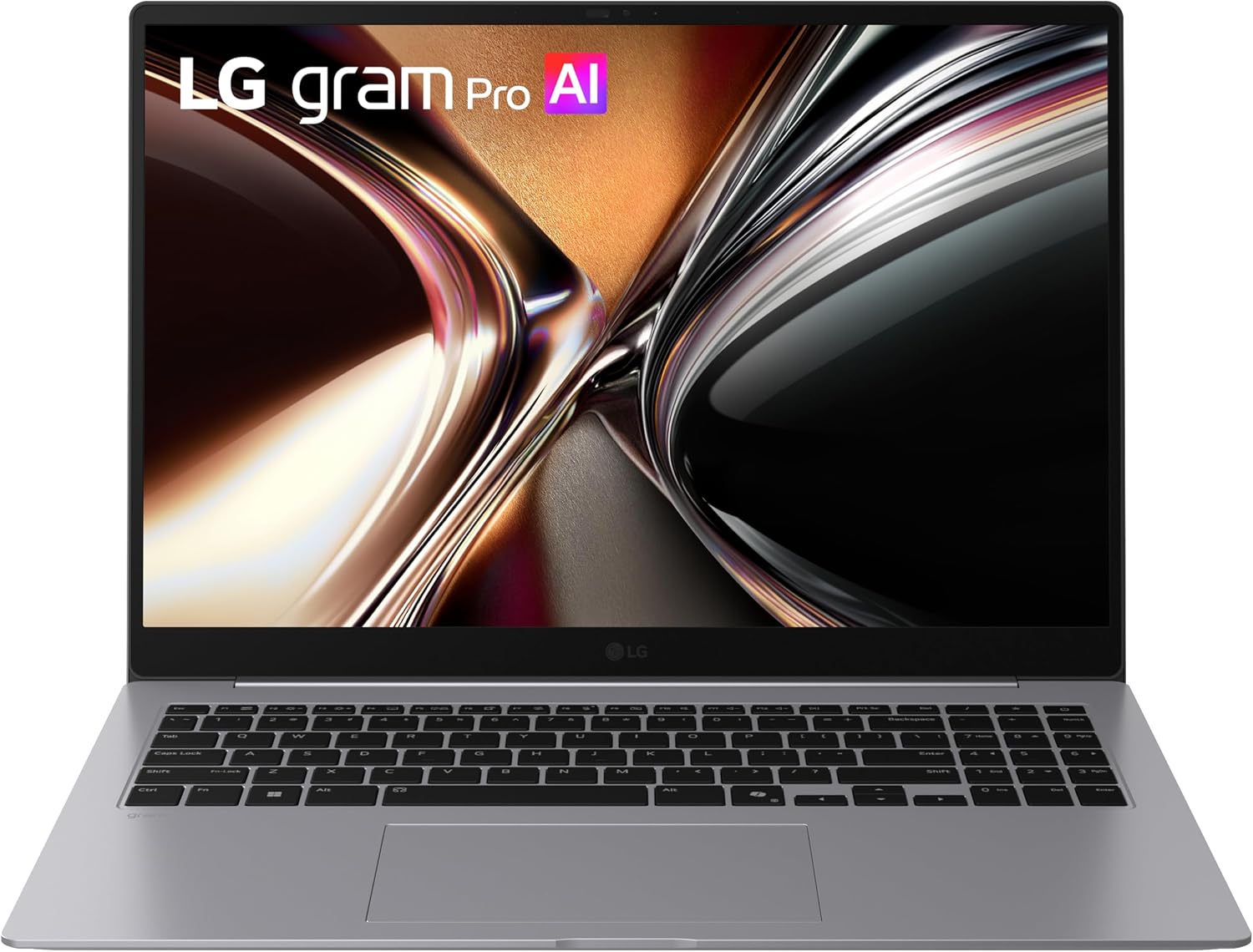
The Amazon listing observed on 17 August 2026 presents a 16-inch OLED model with an Intel Core Ultra X7 358H, 32 GB of memory, and a 1 TB SSD. That is a compelling combination for someone who wants a large display without the usual size penalty of a 16-inch system.
Product specifications
| Configuration observed on Amazon | Intel Core Ultra X7 358H, 32 GB memory, 1 TB SSD, 16-inch OLED display |
|---|---|
| Best for | Best lightweight 16-inch OLED choice |
| Current listing | Check this configuration on Amazon US |
Verdict
Travel-heavy users who still want a 16-inch screen, 32 GB of memory, and a roomy SSD for a Kali VM. Confirm the exact CPU, display, and storage in the live listing because LG gram configurations change often.
10. ASUS ROG Zephyrus G14 (2025)
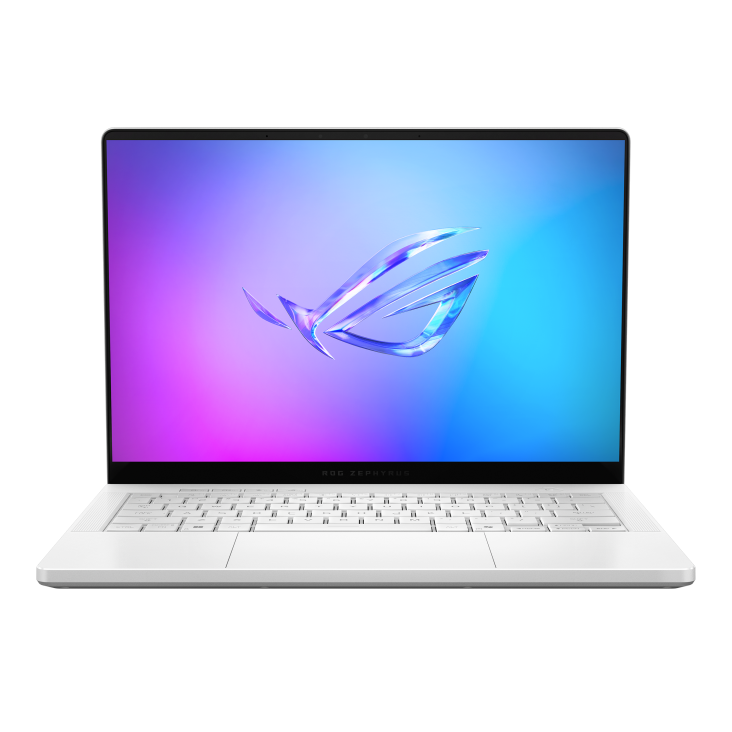
The G14 configuration observed here combines a Ryzen 9 processor, RTX 5060 laptop GPU, 16 GB of memory, and a 1 TB SSD. It is a strong compact GPU system, but the 16 GB memory ceiling makes it less convincing than a 32 GB business model for many simultaneous VMs.
Product specifications
| Configuration observed on Amazon | Ryzen 9 270, RTX 5060 Laptop GPU, 16 GB memory, 1 TB SSD, Wi-Fi 7 |
|---|---|
| Best for | Best compact GPU laptop |
| Current listing | Check this configuration on Amazon US |
Verdict
People who need a small GPU-equipped machine for GPU-oriented lab tasks and are comfortable running a lighter VM setup. If your first priority is several virtual machines, choose one of the 32 GB models above instead.
Should you use the laptop’s internal Wi-Fi card for wireless assessment?
Not as the deciding purchase criterion. Internal wireless hardware is optimized for ordinary client connectivity, and the capability you need for authorized assessment depends on chipset support, the driver, the kernel, and the exact task.
Choose the laptop for its CPU, RAM, storage, ports, and portability. Then choose an external USB adapter separately after checking current Linux driver support. If Kali is running in VirtualBox or another VM, verify that the adapter can be passed through directly to the Kali guest.
How to choose between these Kali Linux laptops
- Choose the ThinkPad T14 Gen 5 if you want the most balanced 14-inch system and plan to use Kali in a VM.
- Choose the ASUS TUF F16 if you need 32 GB of memory, a 1 TB SSD, and a laptop GPU for a larger lab.
- Choose the ThinkPad T16 Gen 3 or HP EliteBook 860 G11 if a 16-inch display and 32 GB of memory matter more than minimum weight.
- Choose the LG gram Pro 16 if you want the large-screen 32 GB setup with a travel-first design.
- Choose the Zenbook, Swift Go, or Zephyrus G14 only when their specific memory configuration fits your lighter VM or GPU requirement.
Frequently asked questions
These answers help separate a comfortable Kali host from a laptop chosen mainly for its marketing labels.
How much RAM do I need for Kali Linux?
For a direct installation or one focused virtual machine, 16 GB can work. For a Kali VM beside a host operating system, browser tools, containers, and another test system, 32 GB is the better target.
Is 512 GB enough for a Kali Linux laptop?
It can be enough for a direct install or one small VM. A 1 TB SSD is the safer choice when you retain snapshots, ISO files, or several virtual machines.
Do I need a gaming laptop for Kali Linux?
No. A business laptop with 32 GB of RAM and a 1 TB SSD is often the more sensible choice. Choose a GPU laptop only when your local coursework or lab tools have a defined GPU requirement.
Can I use Kali Linux in a virtual machine?
A virtual machine is a practical starting point for many people, and it keeps the host OS separate from the Kali environment. Read our Kali Linux VirtualBox setup guide before deciding whether you need a VM or a direct install.
Method and source note
The selection used the current Amazon US listings linked above, then compared their stated CPU, memory, storage, display, graphics, and port claims against product-family material where available. Listings can be altered by sellers, especially upgraded configurations, so the Amazon link is the final SKU check before you buy.
Kali installation guidance comes from the official Kali Linux installation documentation. The article does not endorse testing wireless networks without authorization.