
A workshop handout PDF is open beside a stylus, with room for a quick note near the diagram. I like that a handwritten mark can serve a different purpose from changing the diagram itself.
The result you have in mind can narrow the search before app names get in the way. First, identify the kind of change your PDF needs.
Choose the tool by the change you need
A Portable Document Format (PDF) file can be changed in different ways. Replacing text, adding a note, and moving pages are separate jobs, even when they start from the same file.
I kept this shortlist to five Linux apps with distinct strengths, so you can choose by the result you need rather than by a broad “editor” label.
| What you need to change | Start with | Keep in mind |
|---|---|---|
| Text or objects on a page | ONLYOFFICE Desktop Editors | LibreOffice Draw can handle smaller object edits, but complex layouts may shift. |
| Highlights, notes, or shapes | Okular | It adds annotations, not edits to the original text. |
| Handwriting or sketches | Xournal++ | It places writing over a PDF background. |
| Page order or combining/splitting files | PDF Arranger | It changes pages, not the words on them. |
What a PDF editor can change
Text edits, annotations, and page changes are separate jobs. An app that changes PDF text or objects may not add notes or rearrange the pages in the same file.
- Content edit: change text, images, or shapes that make up a page.
- Annotation: add a separate mark above the page, such as handwriting or a note.
- Page operation: change a file’s sequence, orientation, or page count.
A white shape placed over a word can hide it on screen without removing the underlying text. For sensitive information, use a dedicated redaction tool that removes the text, not a shape or annotation.
LibreOffice’s Tools > Redact command opens a copy in Draw, where a redacted export replaces marked content with pixels. The current Redaction help says the source document remains unchanged, so check the exported copy before sharing it.
I left Scribus out because its project page describes a page-layout tool for creating publications. That is useful when you are building a brochure, but this list is for changing an existing PDF.
Edit PDF text and objects
Choose a content editor when you need to replace words or move an object that is already on the page. The two tools below work differently, so try the file on a copy before saving over the source.
ONLYOFFICE Desktop Editors
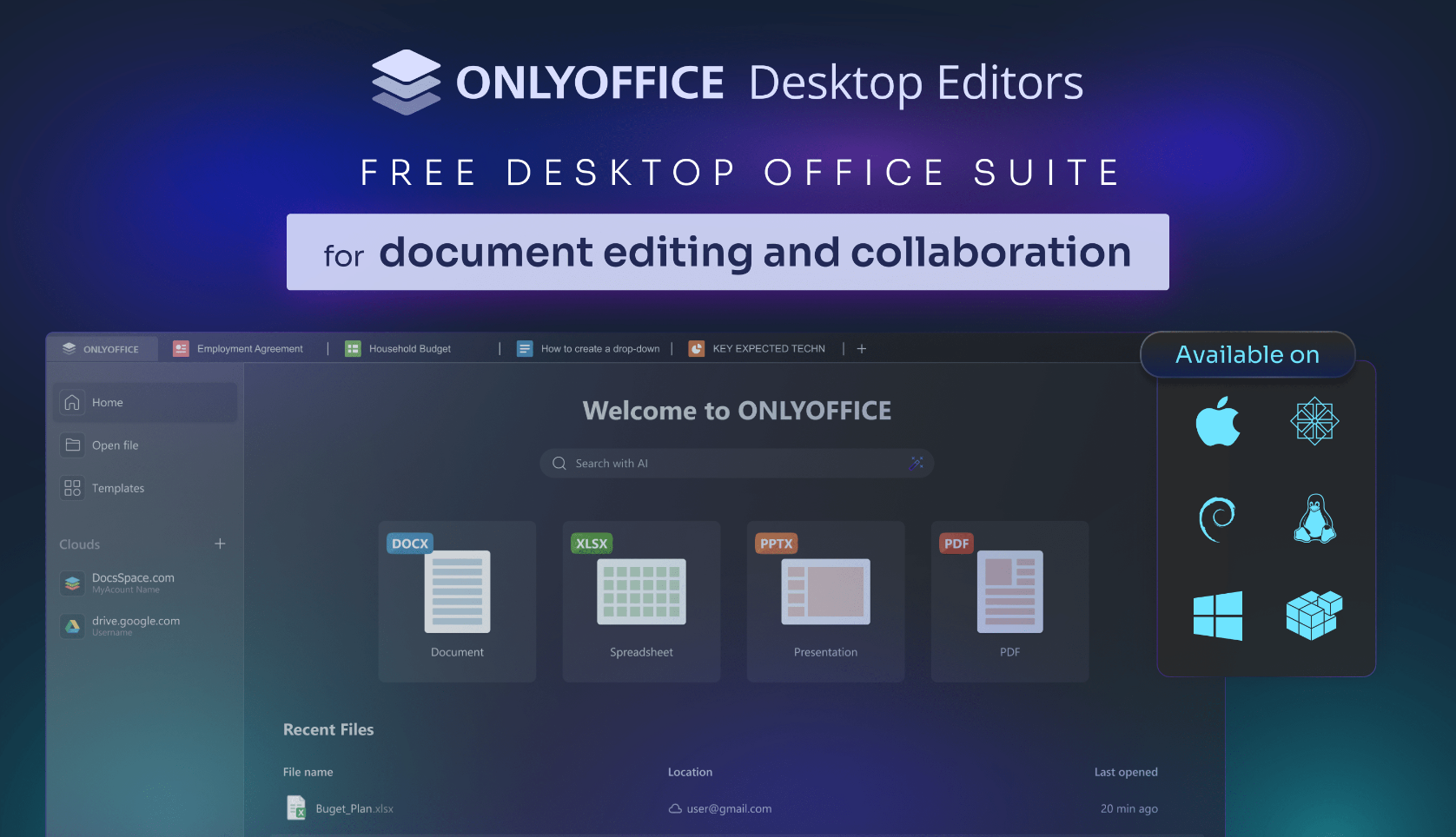
ONLYOFFICE Desktop Editors is a full office suite with a PDF editor. I would start here when you need to replace text or change an object because the official PDF editing guide describes a dedicated Edit PDF mode.
Open a PDF, switch from viewing to editing, and choose Edit Text to select a recognized text area. The guide also explains how to work with objects and page controls.
The screenshot above is the welcome screen, not an edit in progress. It shows the PDF file option. The manual explains the editing mode.
The official Desktop Editors 9.4.0 release page is dated May 19, 2026, and the product supports Linux. This is a broader suite than you need if your only job is highlighting a paragraph.
LibreOffice Draw
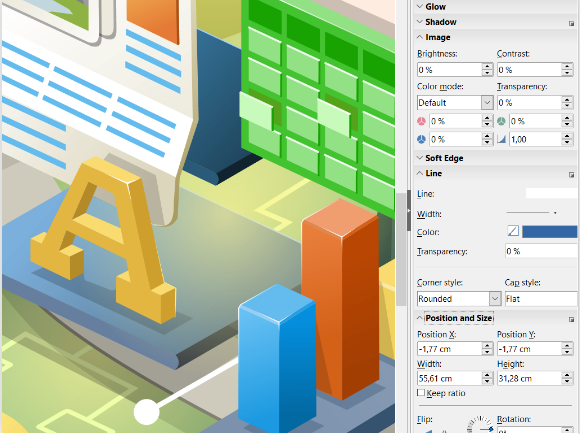
Draw imports PDF content into editable text boxes and drawing objects. A sentence may arrive as several boxes, so changing one word does not always behave like editing a paragraph in a word processor.
The Document Foundation’s PDF import example shows how text boxes can be consolidated, but a layout with columns or uncommon fonts still needs a careful check after export.
Draw is a good fit for a small label or shape change when the page is simple. The current LibreOffice download lists version 26.8.0, and this LibreOffice installation guide covers the suite on Linux.
I kept Draw for smaller changes. Make the edit in a copy, export it, then compare the page with the source before sending it.
That object-based approach is handy when one label is wrong and the rest of the page is stable. A long document with columns, text flow, or strict font placement is a poor match.
Annotate or write on a PDF
Okular and Xournal++ both add marks over a PDF. Okular is built around review tools, while Xournal++ focuses on handwriting and pen input.
Okular
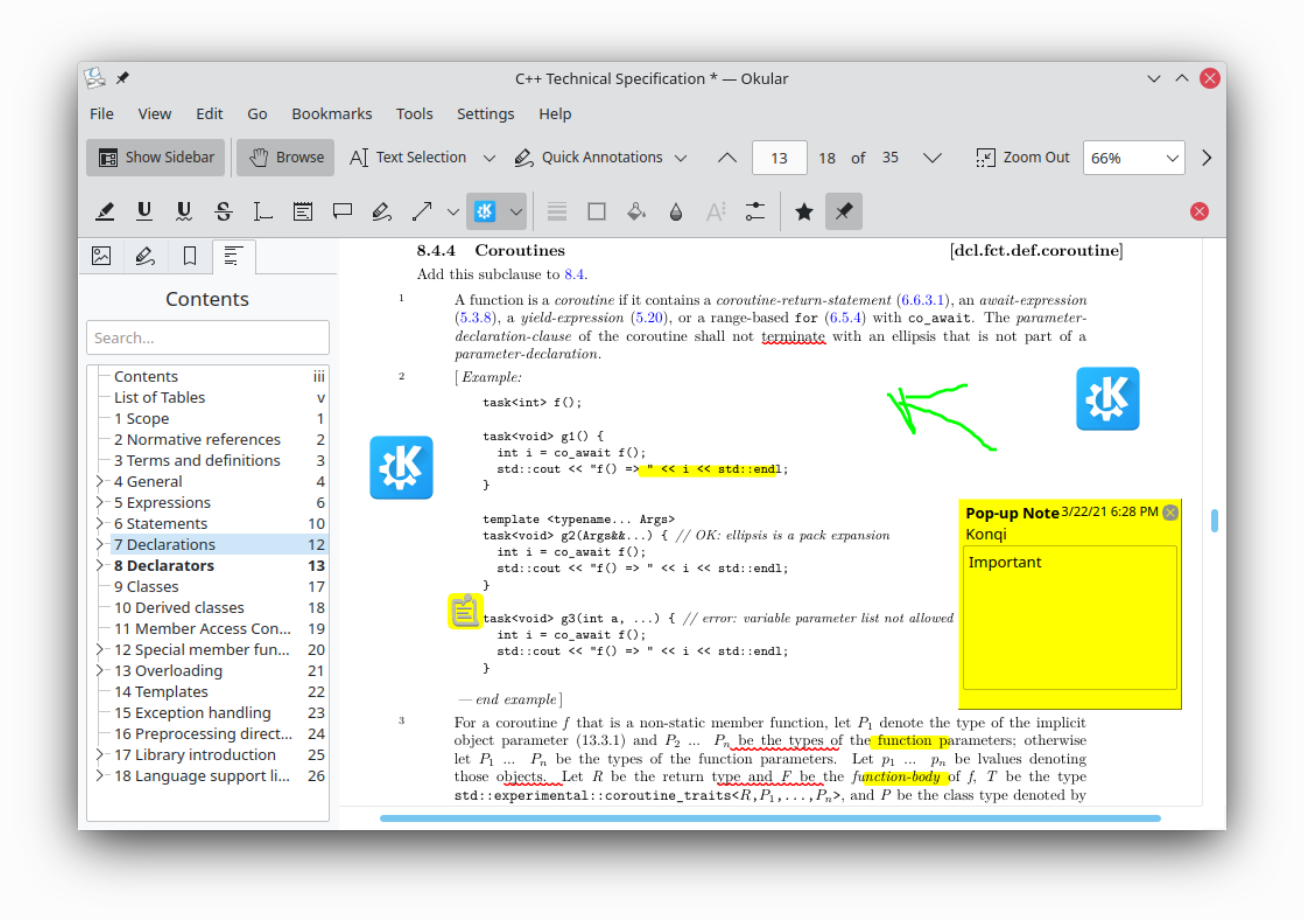
Okular’s handbook documents its annotation toolbar and saving marks into a PDF. That is the review workflow.
Open the annotation bar from Tools > Annotations or press F6, then choose a markup tool. A highlight or note is saved with the PDF, but it does not rewrite the paragraph you marked.
Some PDFs protected by digital rights management (DRM) block annotation changes, so check permissions if the tools are disabled. For review marks, use the Linux instructions to install Okular.
Xournal++
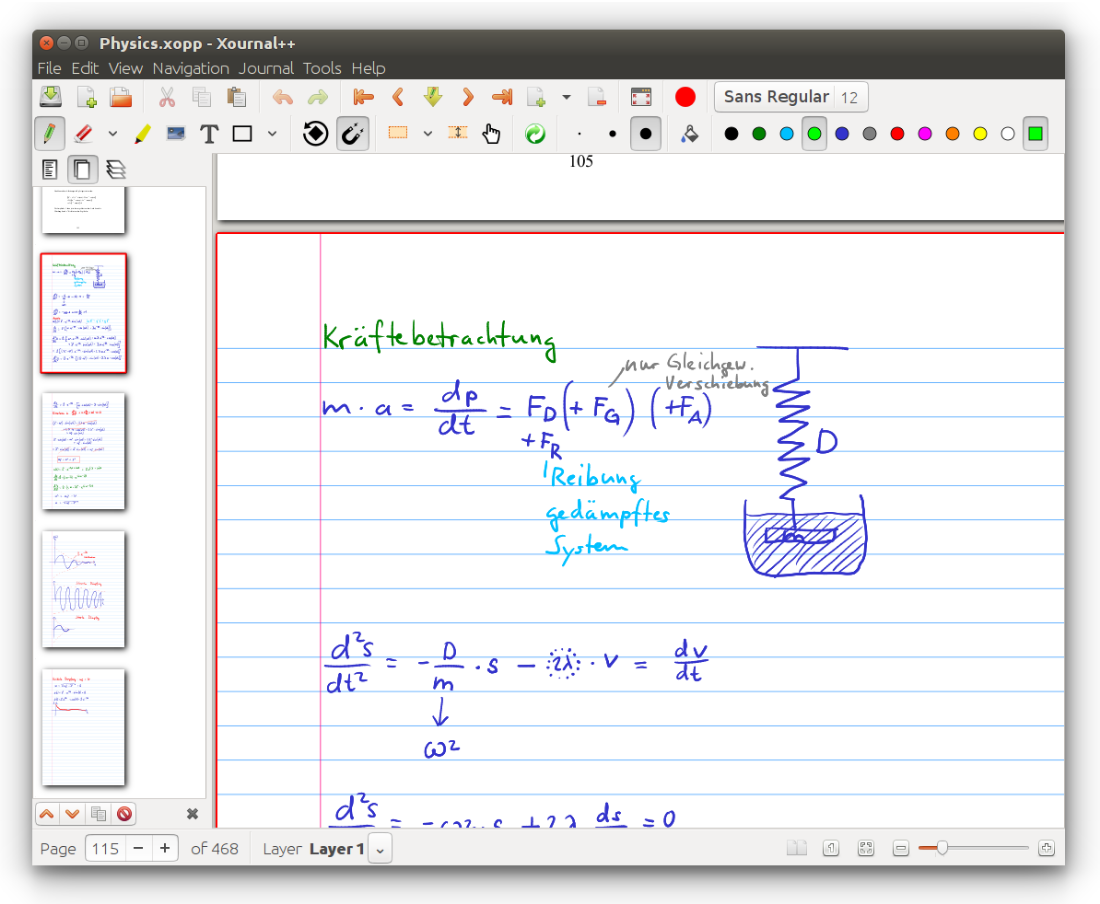
Xournal++ is a better fit for pen input, handwritten notes, and sketches. Its PDF guide describes opening a PDF as the page background, then adding handwriting or other marks on separate layers.
You can highlight or underline selectable text and export the result to PDF, but Xournal++ does not replace the original words.
The Xournal++ project notes that its .xopp file does not embed the source PDF. Keep both files together if you want to reopen the same background later.
I kept Xournal++ separate from Okular because handwritten work and review comments call for different tools.
The Xournal++ 1.3.8 release was published September 26, 2026.
| App | Choose it for | Not for |
|---|---|---|
| Okular | Review marks and comments | Replacing text already on the page |
| Xournal++ | Handwriting, sketches, and pen input | Rewriting PDF paragraphs |
Reorder, split, or merge pages
PDF Arranger targets page changes. Its project README describes an interactive graphical tool for page operations.
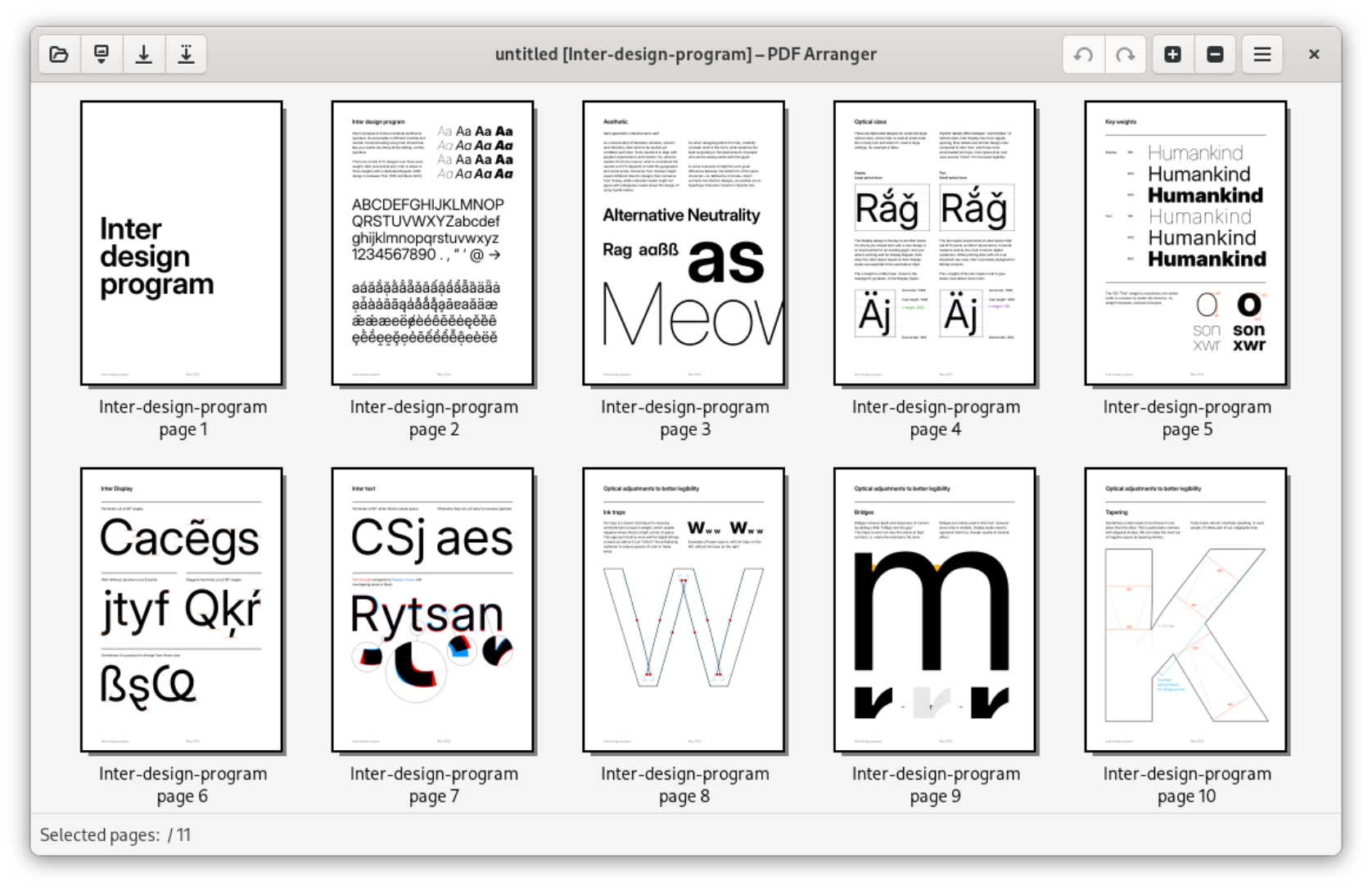
The thumbnail grid shows you the page sequence before export. The saved file carries the new order, but it does not edit the text on those pages or add review annotations.
The latest listed release, PDF Arranger 1.14.0, was published May 23, 2026. For a word or image edit, choose a content editor instead.
- Use it to combine documents or extract selected pages.
- Rotate, crop, or reorder pages before exporting.
- For another GUI page workflow, see PDFMixTool’s page operations.
Check layout, scans, and document permissions
Keep the source PDF unchanged until you have checked the exported copy. A tool can save a file successfully while changing a font, shifting a text box, or leaving the page in a state you did not intend.
| What you see | Why it changes the choice | Next move |
|---|---|---|
| You cannot select words on a scanned page. | The page may contain an image rather than selectable text. | Run optical character recognition (OCR) before editing words, or use an image-based workflow. |
| Columns or fonts move after import. | Draw edits imported objects, and those objects may not preserve the source layout. | Work on a copy and compare the exported page with the original. |
| Okular disables an annotation. | PDF permissions can restrict annotation changes. | Check the document’s permissions before switching to another editor. |
If a page is image-only, OCR can create a text layer for searching or editing. You can also render PDF pages as images for pixel-level changes, but that route will not preserve selectable text by itself.
If you only need to locate a phrase before choosing a content editor, search for text inside a PDF with pdfgrep. Then open a working copy in the tool that matches the change.
Check the package before opening the PDF
If your task is adding review marks, Okular is a sensible place to start. With Flathub set up as a Flatpak remote, check the package ID and branch before installing:
flatpak search --columns=name,application,version,branch,remotes okular
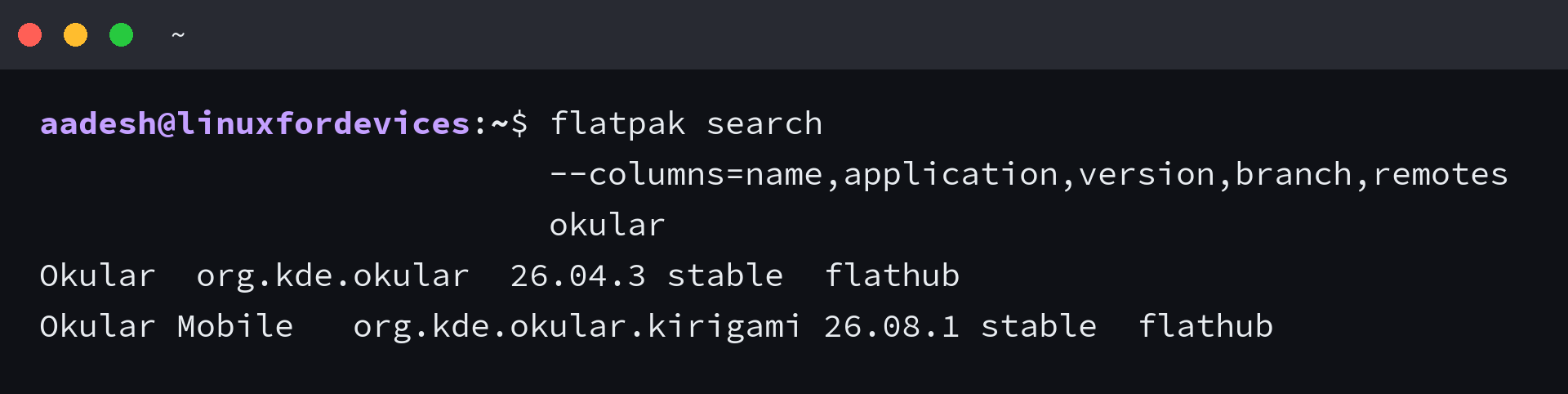
The listing separates Okular from Okular Mobile and shows the version, branch, and remote. If you need to replace text instead, choose a content editor before you open the file.
Frequently asked questions
Which Linux app can change text inside a PDF?
ONLYOFFICE Desktop Editors has an Edit PDF mode for recognized text and objects. LibreOffice Draw can make smaller object changes, but complex layouts may shift.
Is Okular a PDF editor?
Okular is a viewer and annotation tool. It can save notes and highlights into a PDF when the document permissions allow, but it does not rewrite the original text.
Can Xournal++ change existing PDF text?
No. Xournal++ puts handwriting and other marks over a PDF background, so use it for notes rather than replacing paragraphs.
Can PDF Arranger edit PDF text?
No. PDF Arranger reorganizes pages, while a content editor is needed to change words on a page.