
An ARM image on a distro’s download page can change the shortlist when your project targets that hardware. I value architecture as a concrete part of the distro choice, beyond desktop appearance.
Move from the hardware detail to the distro’s own tradeoffs. Compare the software it provides with the pace of its updates.
A distro changes your software and update tradeoffs
A Linux distribution combines the Linux kernel with software packages and a support policy.
Your choice changes system packages and update pace. Your project sets the programming languages and toolchains your code needs.
A named production target can matter more than a desktop preference because it determines which system packages and libraries you need to match.
I ranked release cadence ahead of desktop appearance because it determines how often the base system changes.
| Release model | Examples | What changes for you |
|---|---|---|
| Long-term support (LTS) or stable release | Ubuntu LTS, Linux Mint, Debian Stable | Choose a maintained base with planned point updates. Check whether project-required system packages are available at the versions you need. |
| Fixed feature releases | Fedora Workstation | Move between named releases on a schedule. Read the release page before standardizing on a version. |
| Rolling release | Arch Linux, openSUSE Tumbleweed | System packages arrive through ongoing updates. Keep a regular upgrade and recovery routine. |
Decide how often you want the system to change
Your maintenance preference can rule out a release model before you compare desktop features. Start with the environment your project must support.
- Does the project documentation name a Linux distribution or a package version?
- Does the deployment target use a specific distribution family?
- Do you prefer planned release upgrades or ongoing system package updates?
If a project names Ubuntu or Debian, match that base in your test environment first. If it names no distribution, choose by support policy, hardware, and how much package maintenance you want to own.
Linux distros for programming, matched to different work
Linux distributions support many programming languages. They differ in release policy and in the hardware they support.
Ubuntu 26.04.1 LTS
Ubuntu 26.04.1 LTS is a practical starting point when project documentation targets Ubuntu or you want a long-term-support desktop. Canonical’s Ubuntu Desktop download page lists Intel/AMD and ARM desktop images with standard LTS maintenance.
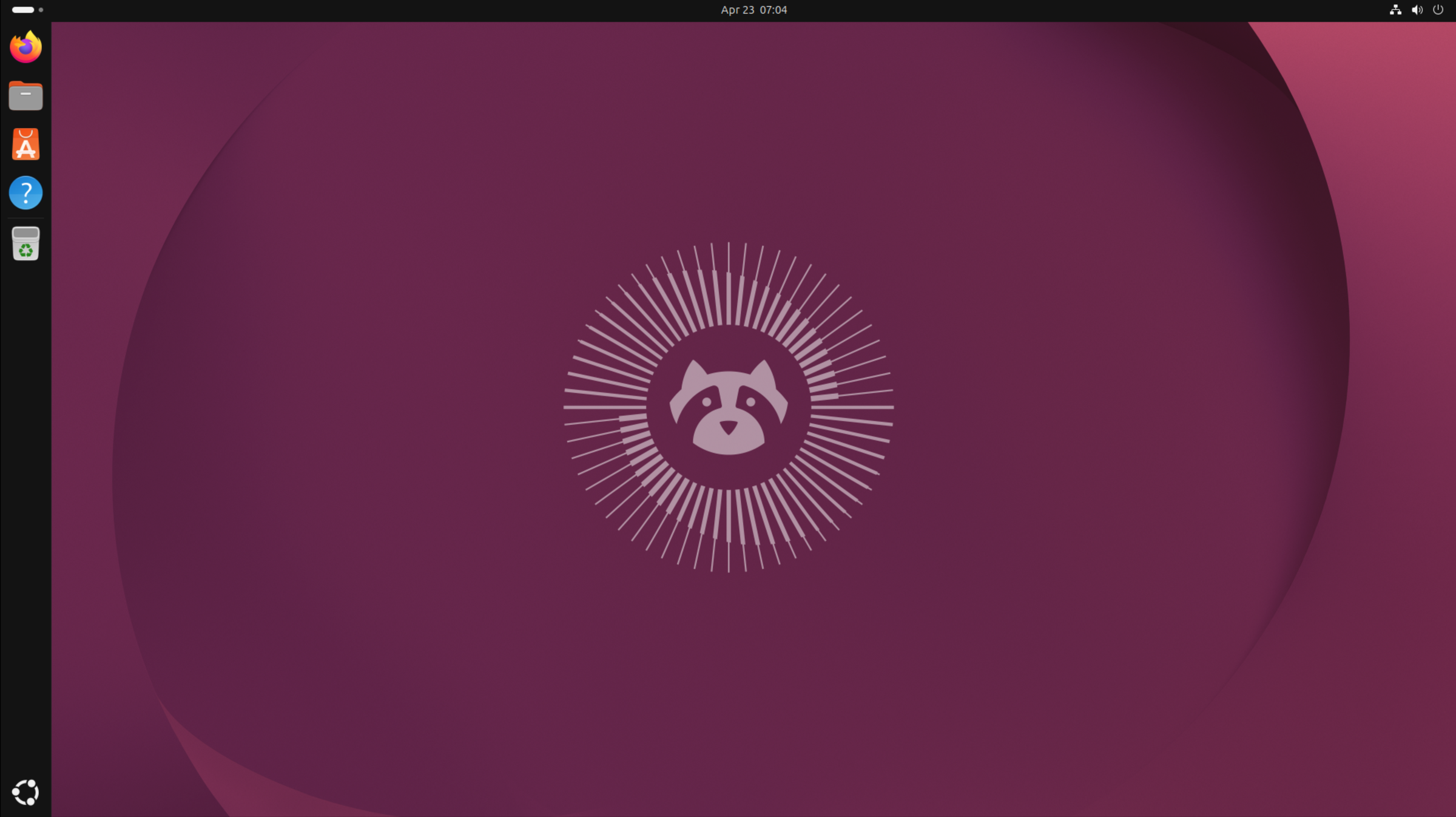
The Canonical image shows Ubuntu’s GNOME panel and dock, and the download page identifies its release number. Test Ubuntu in VirtualBox before changing your disk.
Fedora Workstation 44
Fedora Workstation 44 is the current stable desktop release. Workstation 45 is listed separately as a beta, so use 44 for a project environment unless you need to test the beta.
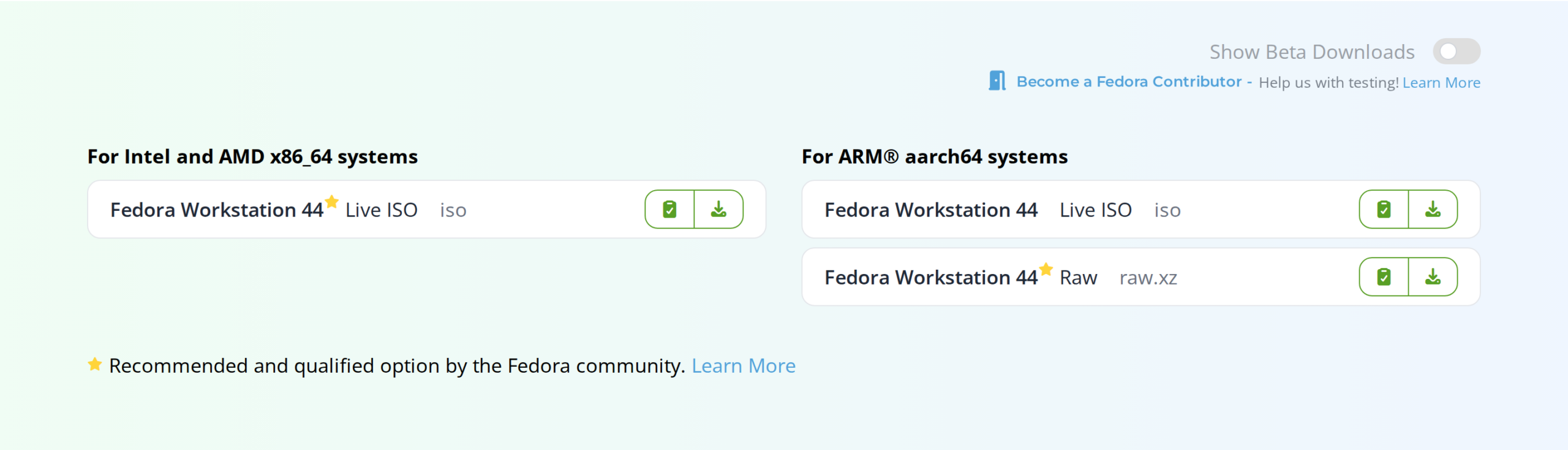
The official download page shows Workstation 44 with the beta-download switch off. Use the stable release for a project environment unless you specifically need to evaluate the beta.
Linux Mint 22.3
Linux Mint 22.3 “Zena” offers Cinnamon, Xfce, and MATE editions. Its official release notes list support through April 2029.
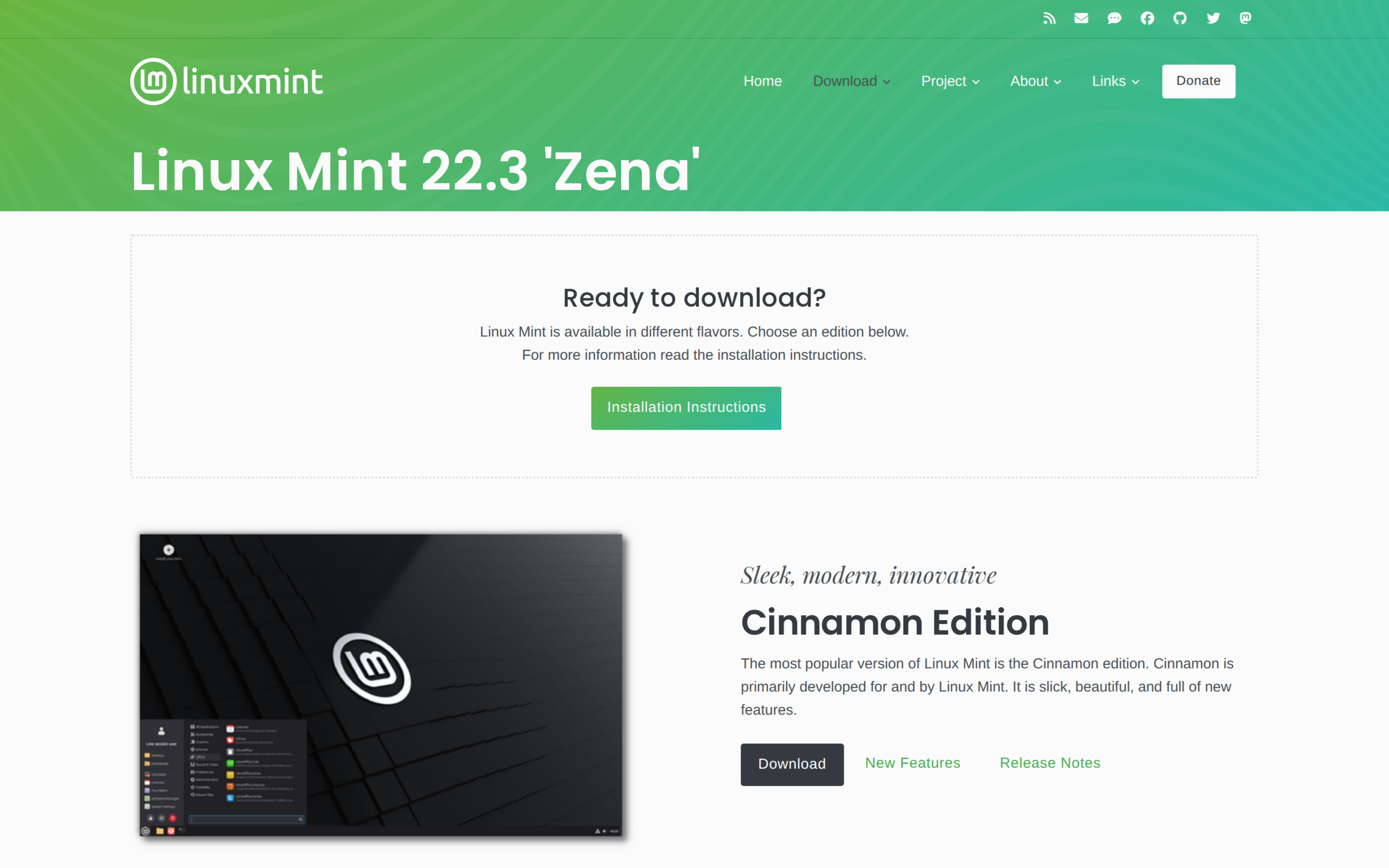
The official Mint page shows Cinnamon, with Xfce and MATE also listed in its download options. Compare Ubuntu and Linux Mint if their desktop fit is your decision.
Pop!_OS 24.04 LTS
Pop!_OS 24.04 LTS includes System76’s COSMIC desktop. Its download page separates images by hardware and says Secure Boot must be disabled for installation, so check those requirements before choosing it.
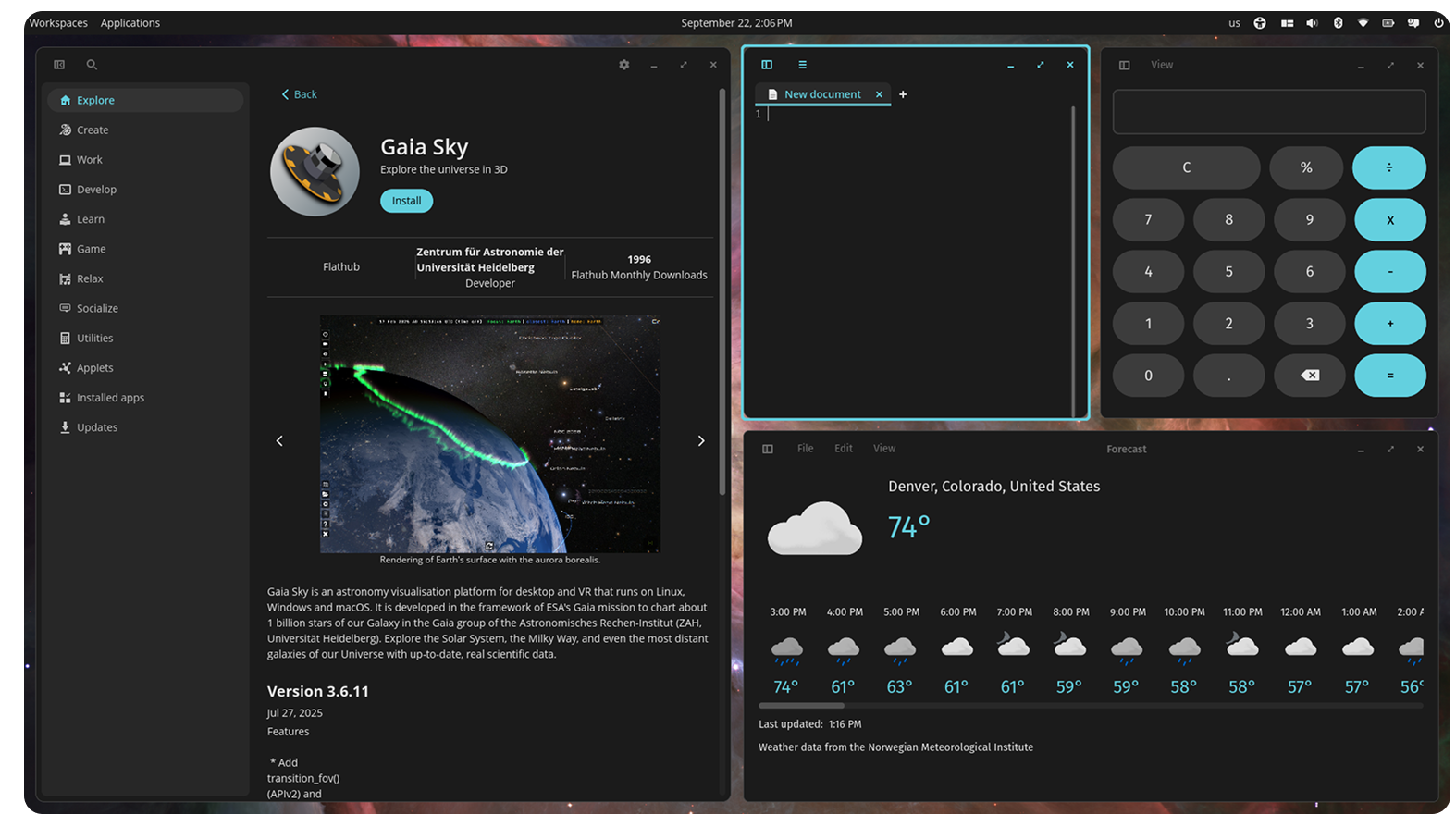
The image illustrates the COSMIC desktop with an app-store page and open applications. It does not show the installer or identify a specific Pop!_OS build, so review hardware choices and installation notes on the official Pop!_OS download page.
Debian 13.7 stable
Debian 13.7 is a stable choice when your deployment target uses Debian or your project needs a maintained base. Check required system libraries against its current package set before choosing it.
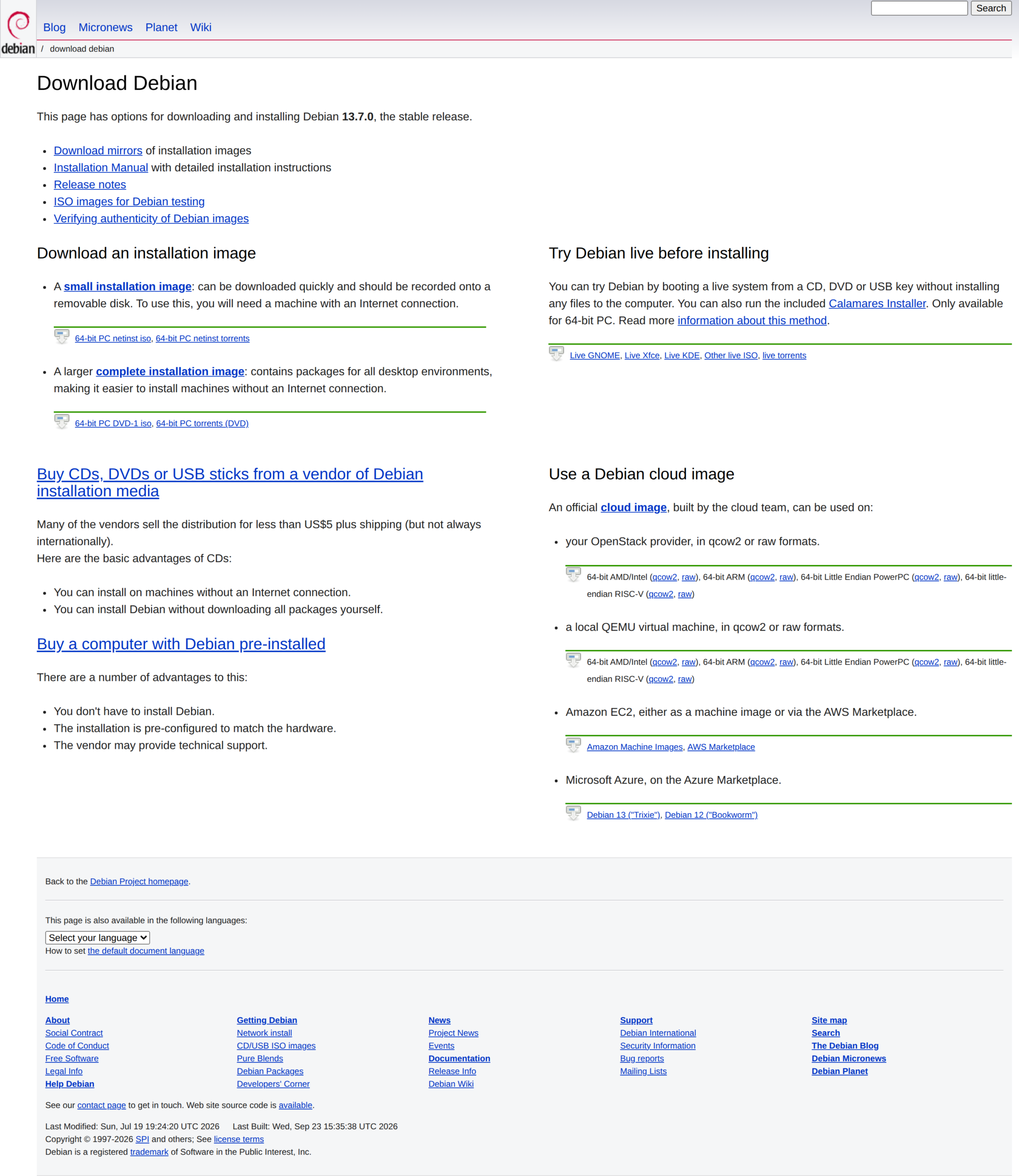
The official download page labels Debian Stable and Testing separately. The stable errata lists point-release and security updates.
Arch Linux
Arch Linux gives you a minimal base and a rolling release model. Choose it when you want to assemble the system yourself and accept ongoing package maintenance.
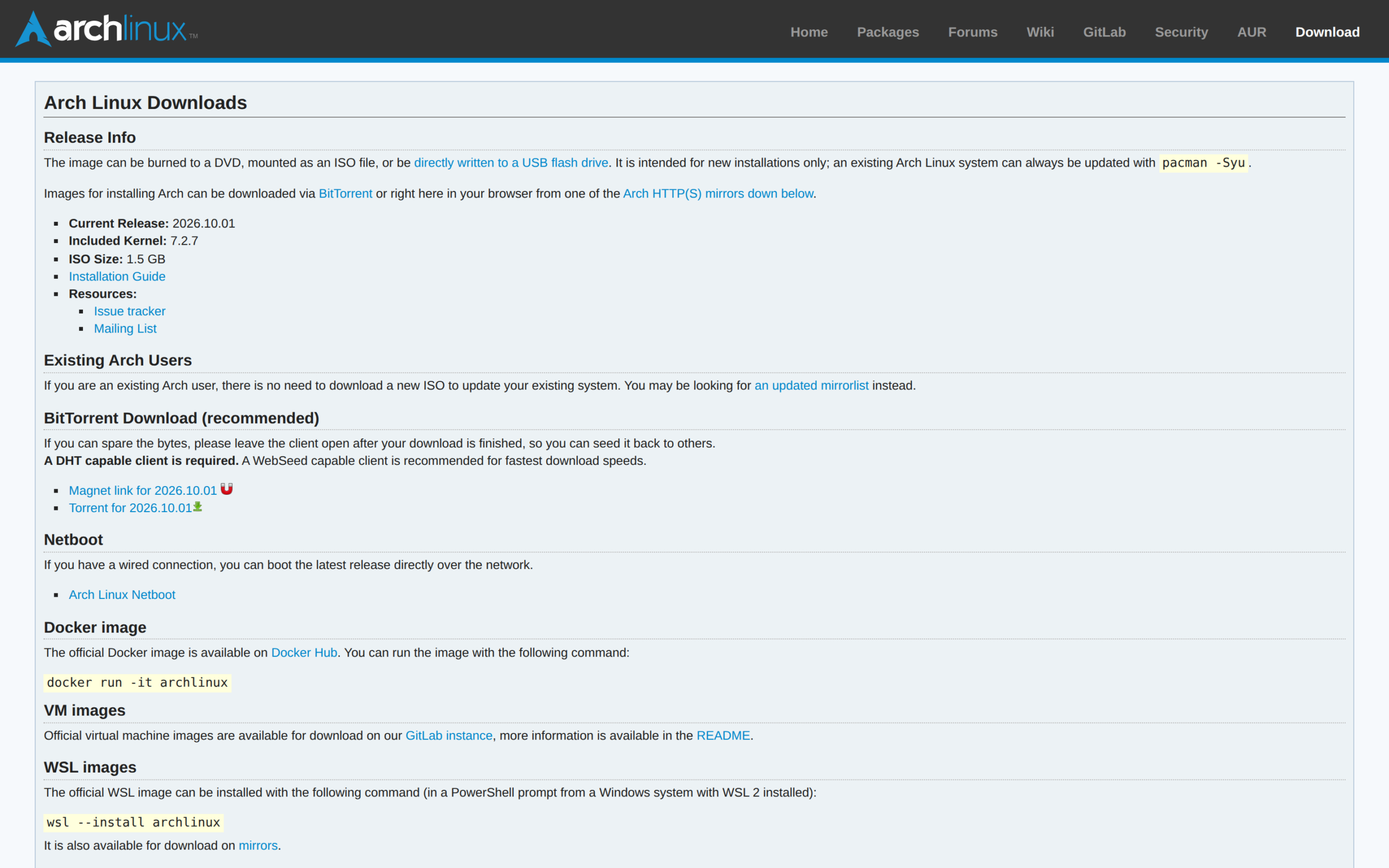
The current Arch download page labels image 2026.10.01 and kernel 7.2.7 as its release details. Check the ArchWiki update guidance before adopting its rolling model.
If you want an Arch-based system with a graphical installer, install EndeavourOS from a USB drive.
openSUSE Tumbleweed
The official openSUSE documentation describes Tumbleweed as a rolling release and documents snapshot rollback. Choose it if you’re prepared to maintain a system through frequent updates.
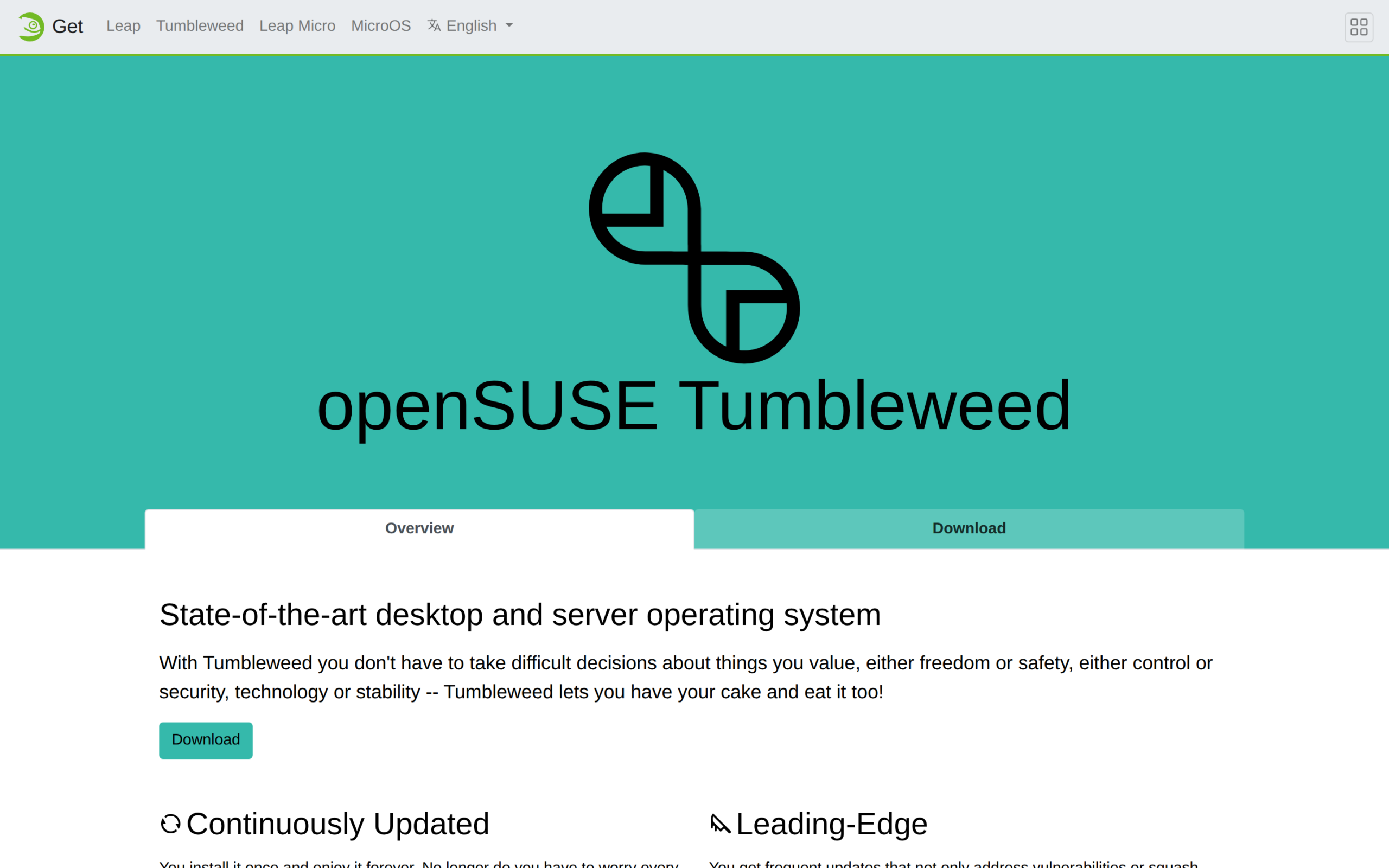
The official Tumbleweed page covers desktop and server use, and the snapshot guide explains how to restore an earlier system state.
Zorin OS 18.1 Core
Zorin OS 18.1 Core is the free edition and includes four desktop layouts on its official download page. Choose it when the desktop suits your workflow.
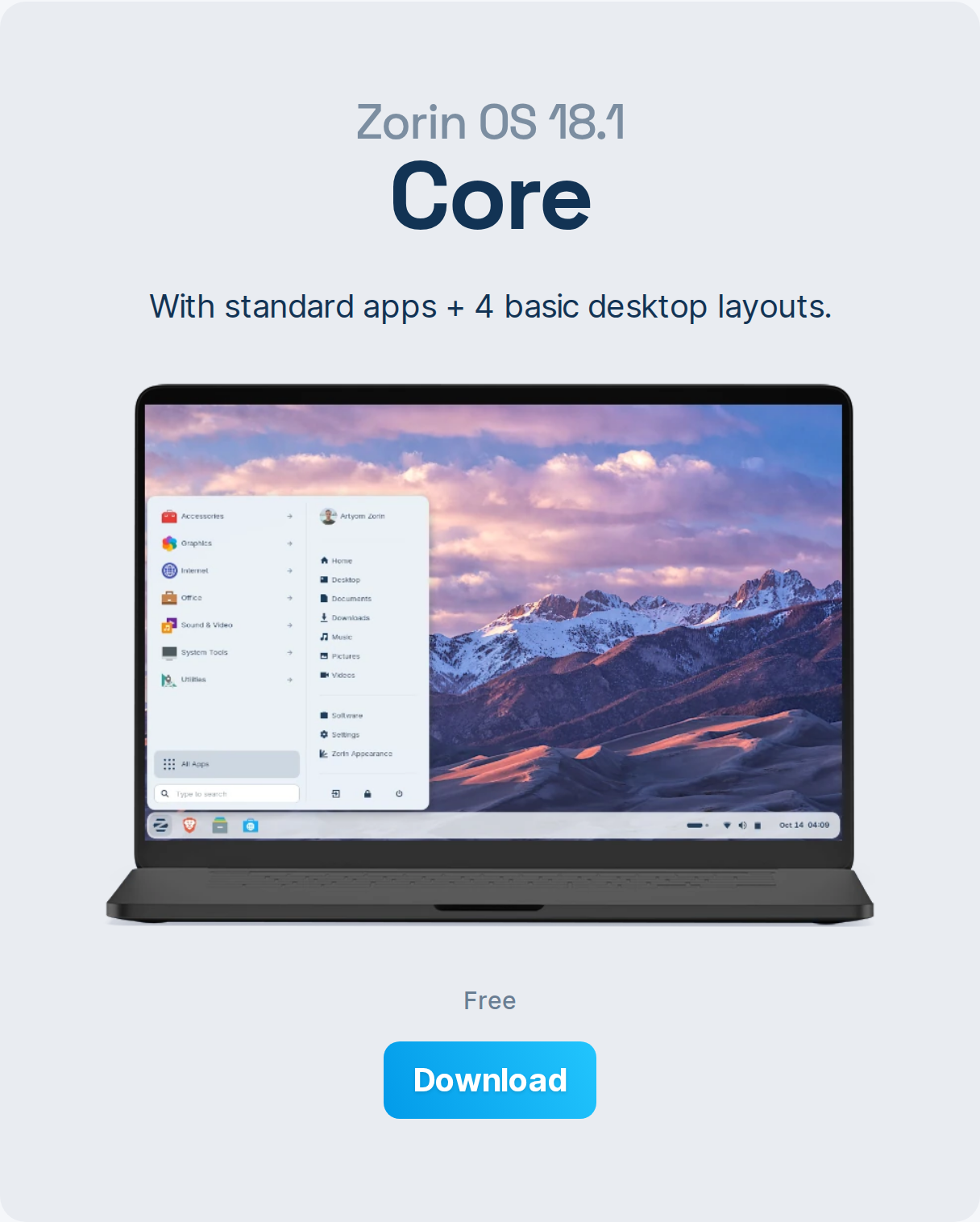
The official download page lists Core and Pro, and the capture shows the free Core choice.
Raspberry Pi OS 6.2
Raspberry Pi OS 6.2 is the vendor’s official operating system for Raspberry Pi computers, tied to its Trixie release. Raspberry Pi calls 6.2 the second update in its release note.
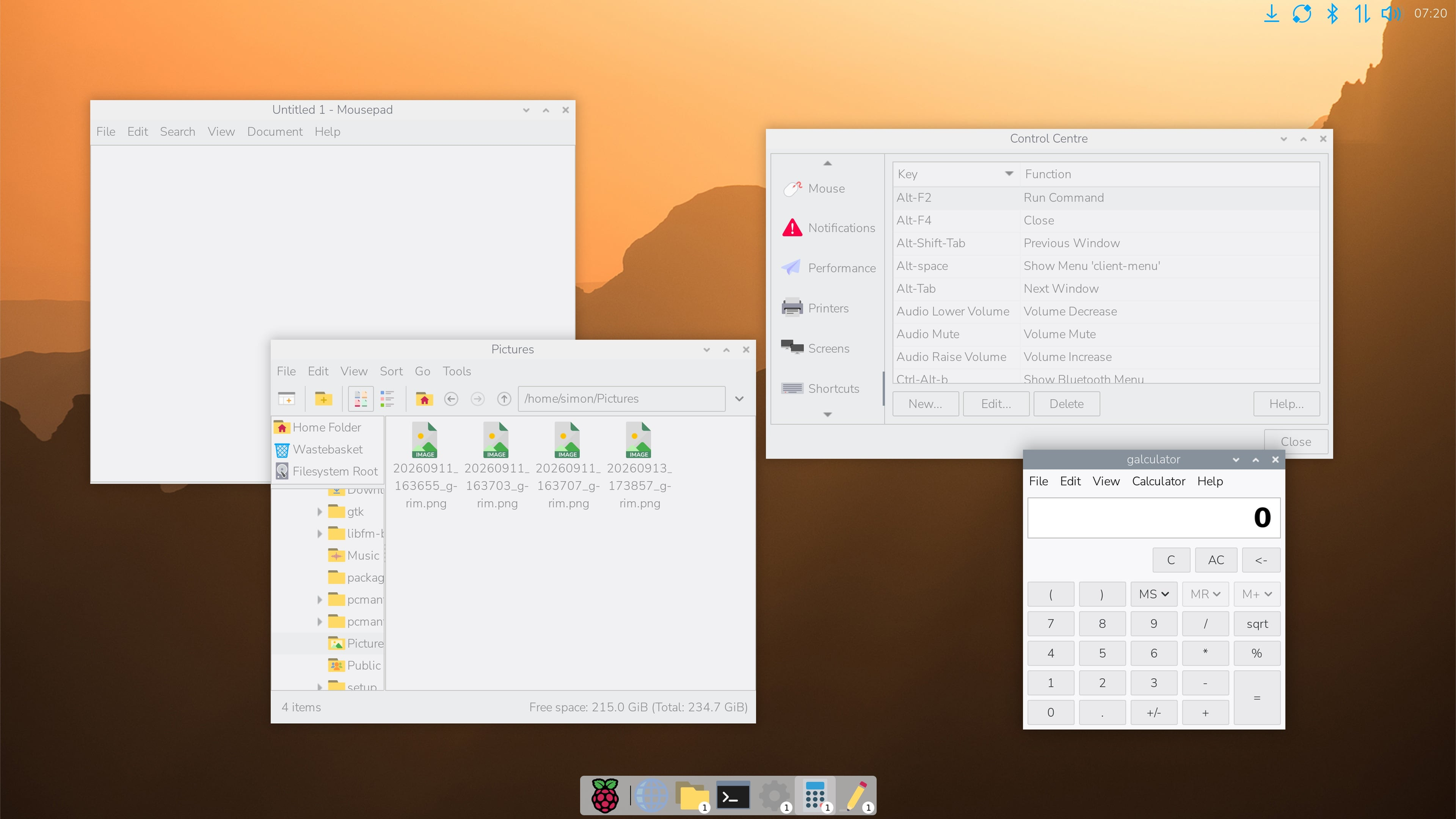
The image shows the desktop interface. For supported operating-system and board guidance, consult the official Raspberry Pi OS documentation.
If you already run Raspberry Pi OS, follow our guide to upgrade Raspberry Pi OS.
Keep specialist systems for specialist work
Kali Linux targets professional penetration testing and security auditing, so I selected it for the specialist section. Its official guidance limits the distro’s intended use, which makes a general desktop a better fit for everyday application development.
| Task | Better fit | Why |
|---|---|---|
| Daily application development | A desktop distribution matched to the project | Choose its package and support model around your runtime and deployment target. |
| Security testing in a lab | Kali Linux in an isolated environment | Kali ships a security-focused toolset, which is a different job from maintaining a general desktop. |
If you need Kali for a lab, run Kali in VirtualBox rather than choosing it as your everyday programming desktop.
Start with the system your project must match
When a project names its deployment base, use that as your first test environment. If it names none, I’d start with Ubuntu LTS because Canonical clearly documents its current support and download choices.
Read the project’s distribution and toolchain requirements, then build and run its tests on the candidate. Try the desktop in a live session or virtual machine before replacing the installed system.
For an existing Linux machine, cat /etc/os-release prints the operating-system identifiers stored on the host. Compare ID and VERSION_ID with your project and deployment notes before you choose a base.
cat /etc/os-release
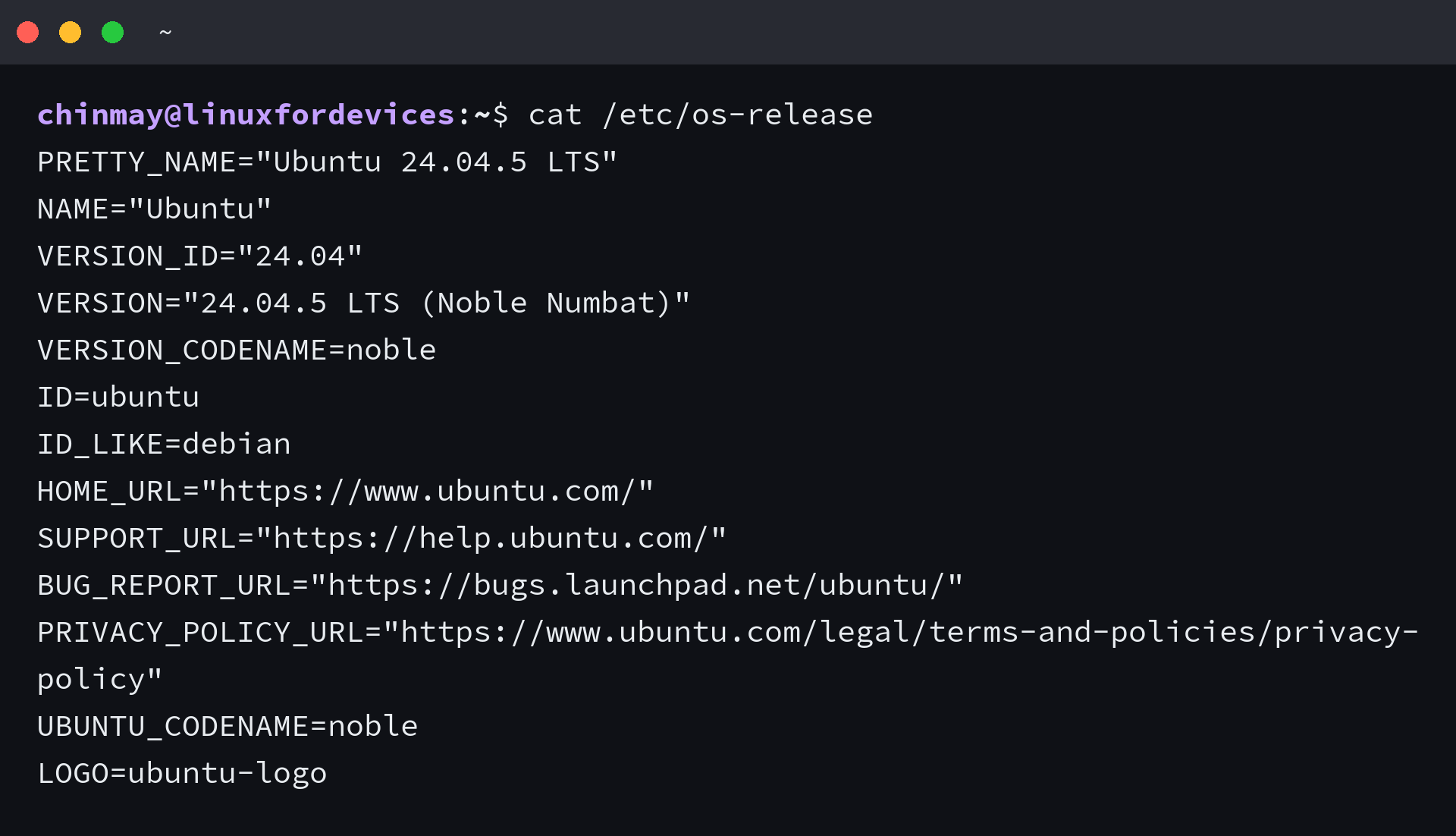
In this sample, ID is ubuntu and VERSION_ID is 24.04, which identifies the Ubuntu 24.04 family. Compare those fields with your target platform before you settle on a base, then install Visual Studio Code for your distribution.
Linux distro questions for programming
Which Linux distro is best for Rust programming?
Rust’s official install page recommends rustup for Unix-like systems, so choose a Linux distro that meets your support and deployment needs and follow the project’s toolchain instructions.